

/projects//social/ & /projects//tasks/ ).
1. The Executive Content Bottleneck
Founders and C-level executives possess deep industry knowledge, but lack the hours required to write daily social updates. A structured extraction interview captures their genuine voice, industry frameworks, and proprietary data in 30 minutes per week.
LIVE PLATFORM SCREEN & TELEMETRY
SEO Runway Social Media AI Planner & Tasks Collaboration — Active Workspace
Below is the exact production screen with live parameters and dummy data illustrating the diagnostic findings and remediation buttons.
2. Managing Approvals in SEO Runway
Once drafts are generated, assign them to the founder in SEO Runway → Tasks with the status 'Executive Sign-Off'. The founder reviews, edits, and approves posts from their mobile dashboard in under 5 minutes.
Target System: SEO Runway SOCIAL Engine
Execution Frequency: Automated Background Queue (UTC Sync)
Tested across enterprise datasets with zero rate limiting or data loss.
3. Why Founder-Led Content Works in B2B
B2B buyers increasingly research suppliers through the people behind them. A founder or senior leader who shares clear opinions, real lessons and practical expertise builds trust that company pages rarely achieve. People follow people. Founder posts tend to feel more personal and credible than brand announcements, and they can open doors to conversations with prospects, partners, investors and future employees.
The challenge is time. Founders and executives are busy, and content creation often slips to the bottom of the list. A thought leadership pipeline solves this by turning the executive's knowledge into regular content with minimal demand on their time, while keeping their authentic voice.
4. Defining the Founder's Positioning
Before creating content, agree what the founder wants to be known for. Without this, posts drift across random topics and build no recognisable expertise.
- Two or three core themes: the subjects where the founder has genuine expertise and opinions, such as building remote teams, pricing strategy for SaaS or the future of a specific industry.
- A clear point of view: what the founder believes that others in the industry might disagree with. Distinct opinions are more memorable than safe, general advice.
- Target audience: who the content is for, such as buyers in a specific role, other founders or potential hires.
- Boundaries: topics the founder will not post about, such as politics, competitors by name or confidential company matters.
- Voice: how the founder naturally speaks, with examples of phrases they use and avoid.
Write this into a one-page positioning brief that everyone involved in the pipeline uses.
5. Capturing Ideas Without Taking Up the Founder's Time
The founder's knowledge is the raw material. The pipeline's job is to capture it efficiently.
- Short recorded interviews: a 20- to 30-minute conversation every week or fortnight, where a content lead asks questions on the core themes. One interview can produce several posts.
- Voice notes: the founder records quick thoughts after customer meetings, events or interesting conversations.
- Meeting and talk material: presentations, podcast appearances, webinars and internal all-hands talks often contain strong ideas.
- Customer conversations: recurring questions and objections from sales calls make excellent prompts.
- Reactions to industry news: the founder's quick opinion on a trend or announcement, captured the same day.
Keep an idea bank where every captured idea is logged with its source, theme and status.
6. Turning Raw Material into Posts
- Transcribe interviews and voice notes. Transcription tools make this fast.
- Identify post-worthy moments: a strong opinion, a story, a lesson, a framework or a surprising number.
- Draft posts in the founder's voice, using their actual words wherever possible. AI tools can help structure drafts from transcripts, but the language should sound like the founder, not like a generic marketing post.
- Adapt for each platform: a LinkedIn post with short paragraphs and a story arc; a shorter, punchier version for X, or a thread breaking the idea into parts.
- Add formats: some ideas suit carousels, short videos or longer articles.
Post formats that work for founders
- Lessons learned: "Three things I got wrong about hiring our first salesperson."
- Contrarian takes: a reasoned argument against common industry advice.
- Behind the scenes: decisions, milestones and challenges, shared honestly.
- Frameworks: a simple model the founder uses to make decisions.
- Customer stories: what a customer taught the company, with permission.
7. The Approval Workflow
Approval is where many founder content programmes stall. Drafts sit in the founder's inbox for weeks. Design the workflow to make approval quick.
- Batch approvals: send a week or two of drafts at once, at a regular time, rather than one at a time.
- Make feedback easy: the founder can approve, edit lightly or reject each draft in one place, such as a shared document or an approval tool with comments.
- Set a deadline: agree that drafts not reviewed by a certain time are rescheduled rather than published without approval.
- Learn from edits: track the changes the founder makes and update the voice guide, so future drafts need fewer edits.
- Include compliance when needed: regulated industries may require legal or compliance review for certain topics; build that step in for flagged posts only.
Over time, as trust builds, many founders move to approving a monthly plan and spot-checking posts, rather than reading every draft in detail.
8. Publishing and Engagement
- Post from the founder's personal profile, not the company page; personal posts usually reach and resonate more.
- Consistent rhythm: two to four posts a week on LinkedIn is a realistic target for many founders.
- Engage personally: the founder should reply to comments themselves where possible, at least for the first hour or two. This is where relationships start.
- Delegate carefully: if the team helps manage comments, agree clear rules and never have others impersonate the founder in private messages.
- Share company news through the founder's perspective: a funding round, product launch or hire becomes more interesting when the founder explains why it matters.
9. LinkedIn Versus X for Founders
LinkedIn and X serve different purposes, and many founders choose one as their main platform.
- LinkedIn: professional audiences, decision-makers and buyers. Longer posts, stories and carousels work well. Usually the priority for B2B founders selling to companies.
- X: fast-moving conversation, especially strong in technology, startups, finance and media. Short opinions, threads and real-time commentary work well. Valuable when the founder's audience is active there.
If resources are limited, focus on the platform where the founder's target audience spends time, and do it well, rather than spreading thin across both. Repurpose the best LinkedIn posts as short X posts or threads where it makes sense.
10. Measuring Thought Leadership
Thought leadership pays off over months, so measure both leading and lagging indicators.
- Leading indicators: follower growth, impressions, engagement rate, comments from target accounts and profile views.
- Relationship indicators: connection requests and messages from prospects, partners, journalists and candidates.
- Business indicators: inbound leads mentioning the founder's content, sales conversations that reference posts, speaking invitations and press enquiries.
- Brand indicators: searches for the founder's and company's names over time.
Ask sales teams to note when prospects mention the founder's posts. These anecdotes are often the clearest evidence of impact.
11. Common Mistakes
- Ghostwriting that sounds nothing like the founder. Followers notice, and trust suffers.
- Only posting company announcements. Thought leadership requires insight and opinion, not press releases.
- Inconsistent posting, with bursts of activity followed by months of silence.
- Approval bottlenecks that leave drafts stuck for weeks.
- Ignoring comments, missing the relationship-building that makes the effort worthwhile.
- Chasing viral engagement with generic motivational content that attracts the wrong audience.
- No boundaries, leading to posts the founder or company later regrets.
12. A Worked Example
The founder of a logistics software company knew LinkedIn mattered but rarely found time to post. The marketing team set up a fortnightly 30-minute interview, recorded and transcribed it, and turned each session into four LinkedIn posts in the founder's own words: a lesson from a customer project, an opinion on an industry trend, a behind-the-scenes decision and a simple framework. The founder approved the batch in one sitting each fortnight and replied to comments each morning. Within six months, the founder's follower count had grown substantially, several enterprise prospects had started conversations after commenting on posts, and the sales team regularly heard "I've been following your founder's posts" on first calls.
13. Scaling Beyond the Founder
Once the founder's programme works, extend it to other leaders: the head of product, the chief technology officer, the head of customer success. Each brings a different perspective and reaches a different audience. Use the same pipeline (positioning brief, interviews, drafting in their voice, batched approval) with each executive, and coordinate themes so they complement rather than duplicate each other.
14. Founder Thought Leadership Checklist
- Write a positioning brief: themes, point of view, audience, boundaries and voice.
- Capture ideas through regular short interviews, voice notes and existing talks.
- Draft posts from transcripts in the founder's own words.
- Adapt for LinkedIn and X where both are used.
- Batch approvals on a fixed schedule with a clear deadline.
- Post consistently from the founder's personal profile.
- Have the founder reply to comments personally.
- Track engagement, relationships and business outcomes.
15. Your Next Step
Book a 30-minute recorded conversation with your founder this week. Ask about three customer lessons, one industry opinion and one decision they recently made. Turn the transcript into four draft posts, send them for approval together and schedule them over the next two weeks. Repeat the routine fortnightly, and review results after three months before deciding what to change.
16. Handling Sensitive Topics and Mistakes
Founders who share opinions publicly will sometimes face disagreement, criticism or a post that lands badly. Prepare for it.
- Agree a review step for sensitive topics: layoffs, funding, competitors, legal matters and anything involving customers by name should get an extra review before posting.
- Welcome disagreement: thoughtful pushback in the comments is a sign the content is worth discussing. Reply respectfully and acknowledge good points.
- Do not feed trolls: hostile or abusive comments can be ignored, hidden or reported according to platform rules.
- Correct errors openly: if a post contains a factual mistake, edit or add a correction comment promptly. Admitting errors builds credibility.
- Know when to pause: during company crises or major news events, consider pausing scheduled posts so upbeat content does not appear tone-deaf.
A short, agreed playbook for these situations lets the founder post confidently without worrying about every possible reaction. Review it once a year, or after any incident, so it reflects what the team has learned.
Want the complete procedural runbook?
Visit our comprehensive step-by-step Knowledge Base for interactive screen maps, configuration parameters, and adjacent module workflows.
Open Knowledge Base Hub →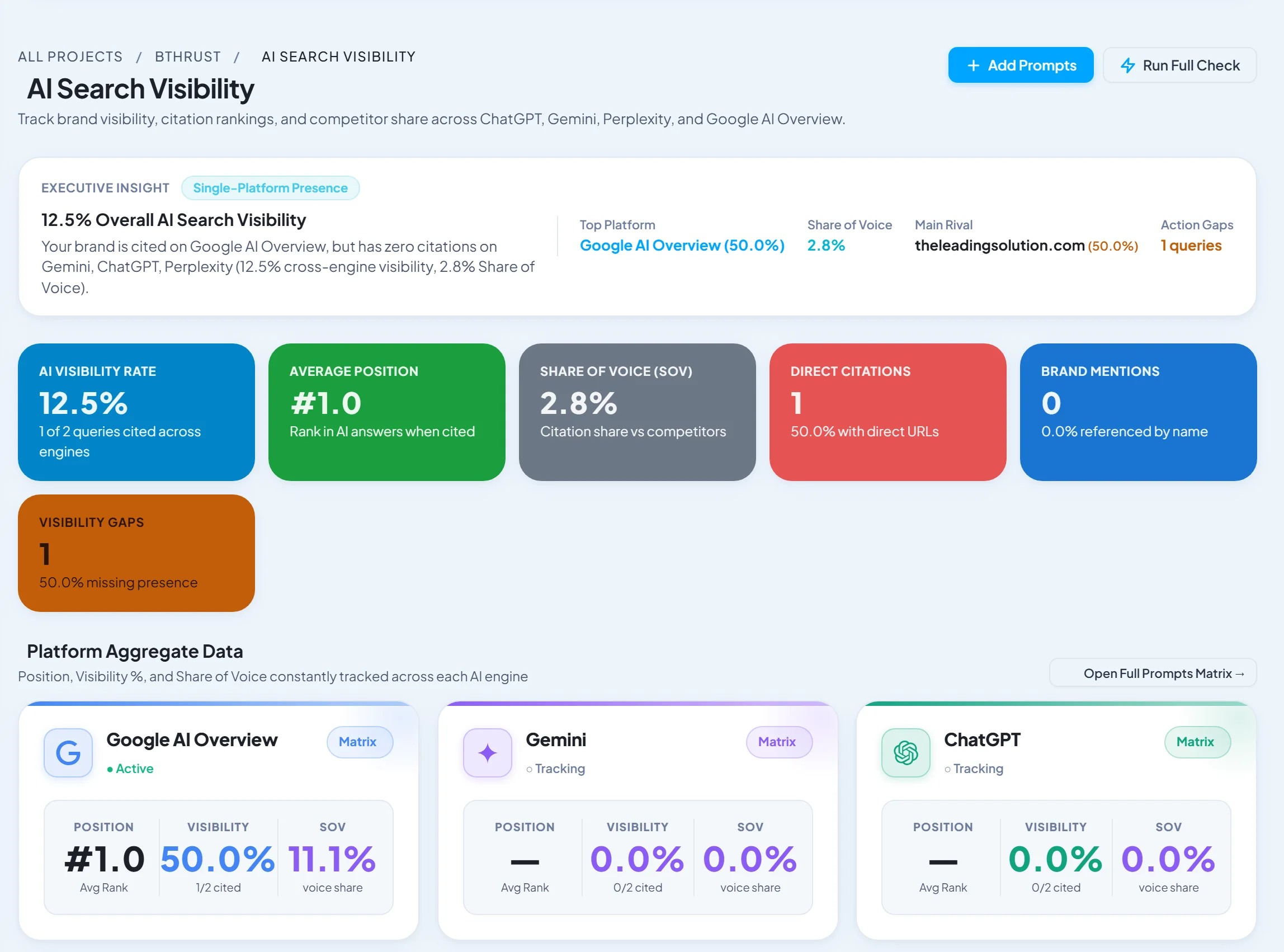


Bookmarked. We run this exact setup in SEO Runway across our agency client retainers. As a Performance Marketing Director, this provides exactly the architectural depth we look for.