

/projects//social/ & /projects//tasks/ ).
1. The Power of Distributed Social Reach
When an enterprise company with 100 employees posts from its company page, it reaches a fraction of its followers. When 30 of those employees share their personal perspective on the same company milestone, their combined networks reach tens of thousands of industry peers.
LIVE PLATFORM SCREEN & TELEMETRY
SEO Runway Social Media Content Hub & Task Delegation — Active Workspace
Below is the exact production screen with live parameters and dummy data illustrating the diagnostic findings and remediation buttons.
2. Distributing Advocacy Briefs in SEO Runway
Create an 'Advocacy Pack' in SEO Runway → Tasks. Attach suggested copy snippets, key takeaways, and graphic assets, allowing team members to copy and publish to their profiles in seconds.
Target System: SEO Runway SOCIAL Engine
Execution Frequency: Automated Background Queue (UTC Sync)
Tested across enterprise datasets with zero rate limiting or data loss.
3. Why Employee Advocacy Works
A company page reaches its followers; employees reach their own networks, which are often far larger in total and largely different from the company's audience. When employees share company content, or write about their work, the message reaches people who would never follow the brand. It also carries more trust, because people tend to trust individuals they know more than brand accounts.
Advocacy brings benefits beyond reach: employer branding for recruitment, credibility with prospects who see real people behind the company, and professional development for employees who build their own reputations. The "10x" in this guide's title is achievable for many organisations simply because the combined networks of employees dwarf the company page's following, but results depend on participation and content quality, not just headcount.
4. Setting Clear Goals
Decide what the programme should achieve before inviting anyone to share.
- Brand awareness: more people seeing company news, content and culture.
- Recruitment: more qualified candidates seeing job openings and company culture.
- Lead generation: more prospects engaging with content shared by sales and subject experts.
- Thought leadership: employees recognised as experts in their fields.
Choose one or two primary goals. They shape which content you provide, which employees you invite first and how you measure success.
5. Starting with Willing Volunteers
Advocacy works only when it is voluntary. Forced sharing produces reluctant, low-quality posts that colleagues' networks quickly recognise.
- Invite, do not mandate: explain the programme, its benefits for employees and the company, and ask who wants to take part.
- Start with a pilot group of 10 to 30 enthusiastic employees from different teams, including people who already post on LinkedIn.
- Include leaders: executives who participate visibly encourage others.
- Gather feedback from the pilot group about what content they want to share and what makes it difficult.
- Expand gradually once the pilot shows results and the process works smoothly.
6. Writing a Clear Social Media Policy
Employees need to know what is encouraged and what is off limits. A short, clear policy protects both employees and the company.
- Disclosure: employees should make clear they work for the company when sharing company content, which is a legal requirement in some countries for endorsements.
- Confidentiality: never share confidential information, unreleased products, financial details or customer information without permission.
- Personal opinions: make clear that personal views are their own, especially on sensitive topics.
- Respect: no harassment, discrimination or attacks on competitors.
- Regulated industries: employees in financial services, healthcare and similar sectors may need to follow additional rules about what they can say publicly.
- Who to ask: a named contact for questions and for reporting problems.
Keep the policy readable, ideally on one page, with examples. A 20-page legal document will not be read.
7. Providing Content Worth Sharing
Employees share content that makes them look knowledgeable, informed or proud, not content that feels like advertising.
- Industry insights: research, reports and expert articles that help employees' networks.
- Company milestones: awards, launches, funding, partnerships and growth.
- Culture and people: team events, new hires, volunteering and behind-the-scenes stories.
- Job openings: roles employees can share with their networks.
- Customer stories: case studies and results, shared with customer permission.
- Educational content: guides, webinars and carousels from the company blog.
Making sharing effortless
- Suggested captions: provide two or three caption options per item, written in a personal tone, which employees can edit.
- Encourage personalisation: a sentence about why the employee finds the content interesting makes a share far more effective than a copied caption.
- One central place: a weekly email, internal channel or advocacy tool where employees find the latest shareable content.
- Ready-made visuals: images, short videos and carousels in the right formats.
- Tracked links: UTM-tagged links, ideally unique per employee or team where your tools support it, so results can be measured.
8. Encouraging Original Posts, Not Just Shares
Reshares of company posts are a good start, but employees' own posts about their work usually perform far better. Help employees create original content.
- Training sessions: short workshops on writing LinkedIn posts, optimising profiles and engaging with others.
- Prompts: weekly ideas such as "share a lesson from a recent project" or "describe what a typical day looks like in your role".
- Help with drafting: marketing can help shy or busy employees turn ideas into posts, while keeping their voice.
- Profile improvements: encourage clear headlines, professional photos and up-to-date experience, so people who discover employees through posts find credible profiles.
- Celebrate contributions: highlight great employee posts internally, so others see what good looks like.
9. Recognition and Motivation
Recognition keeps participation going, but avoid turning advocacy into a pressured competition.
- Public thanks: mention top contributors in internal newsletters or meetings.
- Show impact: share results, such as "employee shares reached 40,000 people this month and brought in 12 applications".
- Professional growth: frame advocacy as building personal brands and careers, not just helping marketing.
- Small rewards: occasional recognition, such as invitations to events or opportunities to speak, rather than payments per share.
- Leaderboards with care: they motivate some people and alienate others. If used, focus on quality engagement rather than volume of shares.
10. Measuring Advocacy Results
- Participation: number of active advocates and the share of invited employees who post at least monthly.
- Reach: estimated impressions from employee posts and shares.
- Engagement: reactions, comments and reshares on employee posts.
- Traffic: visits from UTM-tagged advocacy links.
- Conversions: job applications, demo requests, sign-ups and downloads from those visits.
- Company page growth: new followers attributed to employee activity.
- Qualitative signals: candidates and prospects mentioning employee posts.
Compare reach from employee activity with the company page's own reach. This comparison often shows the programme's value most clearly to leadership.
11. Common Mistakes
- Mandatory sharing, which produces reluctant and inauthentic posts.
- Only promotional content, which employees do not want to share.
- Identical captions copied by dozens of employees, which looks coordinated and inauthentic.
- No policy or training, leaving employees unsure what is allowed.
- No measurement, so the programme's value is never demonstrated.
- Launching and forgetting, without fresh content or recognition, so participation fades.
12. A Worked Example
A mid-sized software company had 8,000 followers on its LinkedIn page, and its posts typically reached a few thousand people. It launched an advocacy pilot with 25 volunteers, including the CEO and several engineers. Each week, marketing shared three pieces of content with suggested personal captions, and ran a monthly workshop on writing original posts. Within three months, employee posts and shares were reaching many times the company page's audience, two engineers had built strong followings by writing about technical lessons, and the recruitment team reported a clear rise in applications mentioning employee posts. The company expanded the programme to all departments.
13. Running the Programme Week to Week
- Monday: share the week's content pack with suggested captions and visuals.
- Midweek: post a prompt for original content and offer drafting help.
- Friday: highlight a few great employee posts internally.
- Monthly: report results, run a short training session and refresh content themes.
- Quarterly: review participation, gather feedback and update the policy if needed.
14. Employee Advocacy Checklist
- Set one or two clear goals.
- Start with a voluntary pilot group including leaders.
- Write a short, clear social media policy with examples.
- Provide genuinely shareable content with editable captions and visuals.
- Encourage and support original employee posts.
- Recognise contributions without pressuring participation.
- Track participation, reach, traffic and conversions.
- Refresh content and training regularly.
15. Your Next Step
Identify ten employees who already post on LinkedIn or who have expressed interest in building their professional profile. Invite them to a 30-minute session, share three pieces of content with suggested personal captions and ask each to share one this week. Measure the combined reach against your company page's reach for the same week. That comparison is usually all the evidence you need to expand the programme across the company.
16. Advocacy for Different Roles
Different employees have different networks and strengths. Tailor suggestions to each group rather than sending everyone the same content.
- Sales: customer stories, industry insights and educational content that starts conversations with prospects. Sales teams benefit directly from being seen as helpful experts.
- Engineers and technical staff: technical lessons, behind-the-scenes looks at how products are built, and open-source or conference contributions. These attract technical talent and build credibility with technical buyers.
- Recruiters and hiring managers: job openings, team culture and "what it's really like to work here" posts.
- Customer success: customer wins, tips for getting more from the product and community events.
- Executives: company vision, milestones, industry opinions and recognition of team achievements.
Segmenting content packs by role makes each suggestion more relevant, which increases the chance employees actually share it.
17. Protecting Employees Online
Visible employees sometimes attract unwanted attention, such as aggressive comments, recruiter spam or targeted phishing. Include guidance on privacy settings, how to handle hostile comments, and how to recognise phishing attempts that use their public profiles. Make clear that employees can step back from the programme at any time, without consequence.
18. Choosing Advocacy Tools
Small programmes can run on a weekly email and a shared document. As participation grows, dedicated advocacy tools help by collecting shareable content in one place, providing one-click sharing with editable captions, generating tracked links per employee and reporting reach and clicks automatically. Choose tools that make sharing easier for employees, not harder, and check that they support the networks your employees actually use. Pilot any tool with a small group first, and keep the old email route available while people adjust to the new workflow.
Want the complete procedural runbook?
Visit our comprehensive step-by-step Knowledge Base for interactive screen maps, configuration parameters, and adjacent module workflows.
Open Knowledge Base Hub →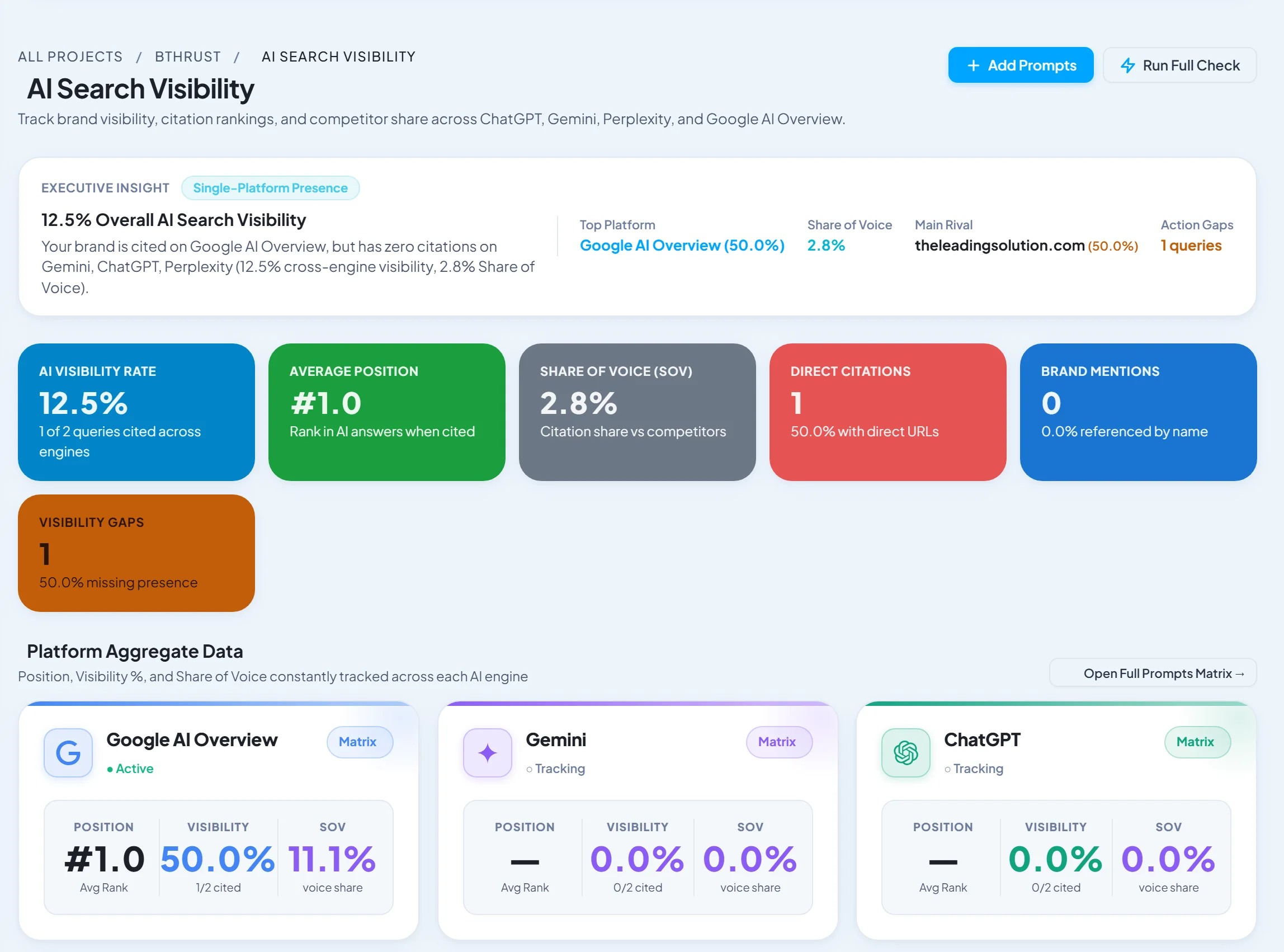


Fantastic actionable guidance. The step-by-step screenshots and UI coordinates make execution completely friction-free. As a Agency Founder & Managing Director, this provides exactly the architectural depth we look for.