
/projects//backlinks/ & /projects//local_seo/ ).
1. Why Geographic Relevance Trumps National Domain Rating
Google's local algorithm evaluates the geographic proximity of referring domains. When local organizations in your specific city link to your website, search engines infer strong local community prominence, reinforcing your map-pack standing.
LIVE PLATFORM SCREEN & TELEMETRY
SEO Runway Backlink Explorer & Local SEO Integrations — Active Workspace
Below is the exact production screen with live parameters and dummy data illustrating the diagnostic findings and remediation buttons.
2. Monitoring Local Links in SEO Runway
Open SEO Runway → Backlinks. Review new referring domains and filter by TLD (.org, .edu). Verify that the anchor text reinforces your brand name and physical city location.
Target System: SEO Runway LOCAL Engine
Execution Frequency: Automated Background Queue (UTC Sync)
Tested across enterprise datasets with zero rate limiting or data loss.
3. What Makes a Local Link Valuable
For a local business, a link from the town's newspaper, a respected community charity or the regional chamber of commerce often does more than a link from a large national site with no connection to the area. Local links signal that the business is a real, established part of the community, which supports the prominence factor in local rankings. They also send referral traffic from exactly the people most likely to become customers.
A valuable local link usually has several of these qualities:
- Geographic relevance: the linking site serves the same town or region.
- Real audience: local people actually read or use the site, so the link sends visitors.
- Editorial context: the link appears because the site chose to mention the business, in a relevant article or page.
- Trust: the site is a recognised organisation such as a council, school, charity, news outlet or professional body.
- Topical fit: a link from a local home improvement blog to a builder carries more meaning than a link from an unrelated site.
4. The Rules on Sponsored Links
Sponsorships are one of the most popular local link tactics, so understand Google's position. Links obtained in exchange for money, goods or services are treated as paid links. Google asks that such links be qualified with rel="sponsored" (or rel="nofollow"), so they do not pass ranking credit. Buying links that pass ranking credit breaches Google's spam policies.
This does not make sponsorships worthless. A sponsored mention on a well-visited local site still delivers brand visibility, referral traffic, community goodwill and an accurate citation of your business. And sponsorships often lead to earned coverage: a local news story about the event, a blog post from a participant or an interview with the owner. Those editorial mentions are where much of the search value comes from. Choose sponsorships for their community and audience value, and treat any link equity as a bonus.
5. Community Sponsorships That Earn Attention
- Youth sports teams and leagues: club websites list sponsors, local press covers results, and parents talk.
- Charity events: fun runs, fundraisers and community festivals with event pages, social coverage and press interest.
- Arts and cultural organisations: theatres, music festivals and museums with engaged local audiences.
- School and education programmes: prizes, careers talks and partnerships, handled sensitively and with genuine value for students.
- Community facilities: parks, gardens and public spaces that acknowledge supporters.
Pick causes that connect to your business or your customers. A garden centre sponsoring a community allotment project is a natural story; a law firm sponsoring a random event far from its practice is less so.
6. Chambers of Commerce and Business Associations
Membership of a local chamber of commerce or business association usually comes with a listing in the member directory, often with a link to your website. These listings are trusted, accurate citations from recognised local organisations. Membership is a paid relationship, so treat the link like any other paid placement, but its real value is in the network: events, introductions, speaking opportunities and local partnerships that lead to earned coverage.
- Complete your member profile with accurate NAP, a description and a link to the relevant page.
- Attend events and speak where possible. Speakers are often featured on event pages and in newsletters.
- Contribute content to the association's newsletter or blog, such as practical advice for other local businesses.
- Join sector associations too: trade bodies and professional associations often have regional chapters with member directories.
7. Earning Editorial Links from Local Media
Local news sites and community blogs need stories. Businesses that provide them earn coverage and links naturally.
- Find the right people: list the local journalists, editors and community bloggers who cover business, your sector or community news.
- Offer genuine news: openings, expansions, hiring, awards, anniversaries, notable projects, community initiatives and original local data.
- Offer expertise: position yourself as a source for comment on topics you know, such as a local estate agent commenting on house prices or a builder on planning changes.
- Make it easy: send a short pitch with the key facts, a quote, good photos and your contact details.
- Follow up once, then move on. Build relationships over time rather than pushing every story.
Creating linkable local resources
Useful local content attracts links on its own. Examples include a guide to local planning rules from a builder, a map of accessible walking routes from a physiotherapist, an annual survey of local rents from a letting agent, or a seasonal events calendar from a hospitality business. Resources like these get linked by community sites, councils and local media because they genuinely help residents.
8. Other Local Link Opportunities
- Suppliers and partners: manufacturers and suppliers often list stockists or certified installers.
- Local "best of" lists and awards: enter genuine local business awards and get listed by community guides.
- Events you host: workshops, open days and classes listed on community event calendars.
- Volunteering: staff volunteering programmes often lead to mentions from the charities involved.
- Case studies: customers who are themselves local businesses may feature your work on their sites.
9. Prioritising Opportunities
Local link building competes with everything else a business owner has to do, so focus on opportunities with the best mix of value and effort. Score each opportunity on four questions:
- Is it genuinely local or topically relevant?
- Does the site have a real local audience?
- Would we do this even if there were no link? For sponsorships and memberships, the answer should be yes.
- How much time or money does it take?
Start with the easy, high-value opportunities: chamber membership, supplier listings, existing community involvement that is not yet acknowledged online, and local awards. Then build towards larger efforts such as media relationships and local resources.
10. Tracking Local Links
- Keep a link log: the linking page, date acquired, type (sponsored, membership, editorial, directory), the link attributes and any referral traffic.
- Check that links stay live: event pages and sponsor lists often disappear after a year. Ask organisers to keep sponsor pages or archive them.
- Measure referral visits: look at visits from local sites in analytics, and tag links you control with UTM parameters.
- Watch local visibility: geo-grid scans and organic rankings for local keywords over the months after significant coverage.
- Track brand searches: local coverage often lifts searches for the business name, visible in Search Console.
11. Common Mistakes
- Paying for links disguised as sponsorships, where the "sponsorship" exists only to get a followed link on an unrelated site.
- Chasing national metrics. A high authority score on an irrelevant site is less useful than a modest local site with real readers.
- One-off efforts. A single sponsorship produces a single mention. Ongoing community involvement keeps producing coverage.
- Ignoring unlinked mentions. Local articles that mention the business without linking can often be updated with a polite request.
- Bulk directory submissions. Hundreds of low-quality directory links add little and can look manipulative.
12. A Worked Example
A family-owned roofing company wanted to strengthen its visibility in the towns around its base. Over a year, it joined the regional chamber of commerce, sponsored a youth rugby club, supported a charity fun run and offered free roof inspections to a local community centre. The owner spoke at a chamber breakfast on preparing homes for winter storms.
The results came as much from earned coverage as from the sponsorships themselves. The local paper covered the community centre project, the chamber featured the talk in its newsletter and on its website, and the rugby club posted thank-you updates that local parents shared. The company created a winter storm preparation guide on its own website, which the local council's emergency information page linked to. Over the year, referral visits from local sites grew steadily, brand searches increased, and geo-grid scans showed stronger visibility in two neighbouring towns.
13. Local Link Building Checklist
- List existing community involvement that is not yet acknowledged online.
- Join the local chamber and relevant trade associations, and complete member profiles.
- Choose sponsorships for audience and community value; expect sponsored links to be qualified.
- Build relationships with local journalists and offer genuine news and expertise.
- Create at least one genuinely useful local resource.
- Ask suppliers, partners and award organisers for listings.
- Log every link and check it remains live.
- Measure referral traffic, brand searches and local visibility.
14. Your Next Step
Write down every community organisation, team, charity and event your business already supports. For each one, check whether its website mentions you. Most local businesses find several existing relationships with no online acknowledgement at all, and a friendly request to the organiser is often all it takes to turn real community involvement into visible local signals.
15. Making the Most of Each Link
When a local site agrees to mention or link to you, a little care multiplies the value.
- Choose the right destination: link to the most relevant page, such as a location page for a multi-location business or a service page that matches the context, rather than always the homepage.
- Supply accurate details: give organisers your exact business name, address and phone number, so the mention doubles as a consistent citation.
- Provide a short description and logo, so sponsor pages and directories present the business well.
- Share and amplify: post about the sponsorship, event or article on your own channels, linking to the organiser's page. This builds goodwill and sends visitors their way too.
- Say thank you: a simple thank-you note to a journalist or organiser makes future coverage more likely, and keeps the relationship warm for next year's event or story.
Want the complete procedural runbook?
Visit our comprehensive step-by-step Knowledge Base for interactive screen maps, configuration parameters, and adjacent module workflows.
Open Knowledge Base Hub →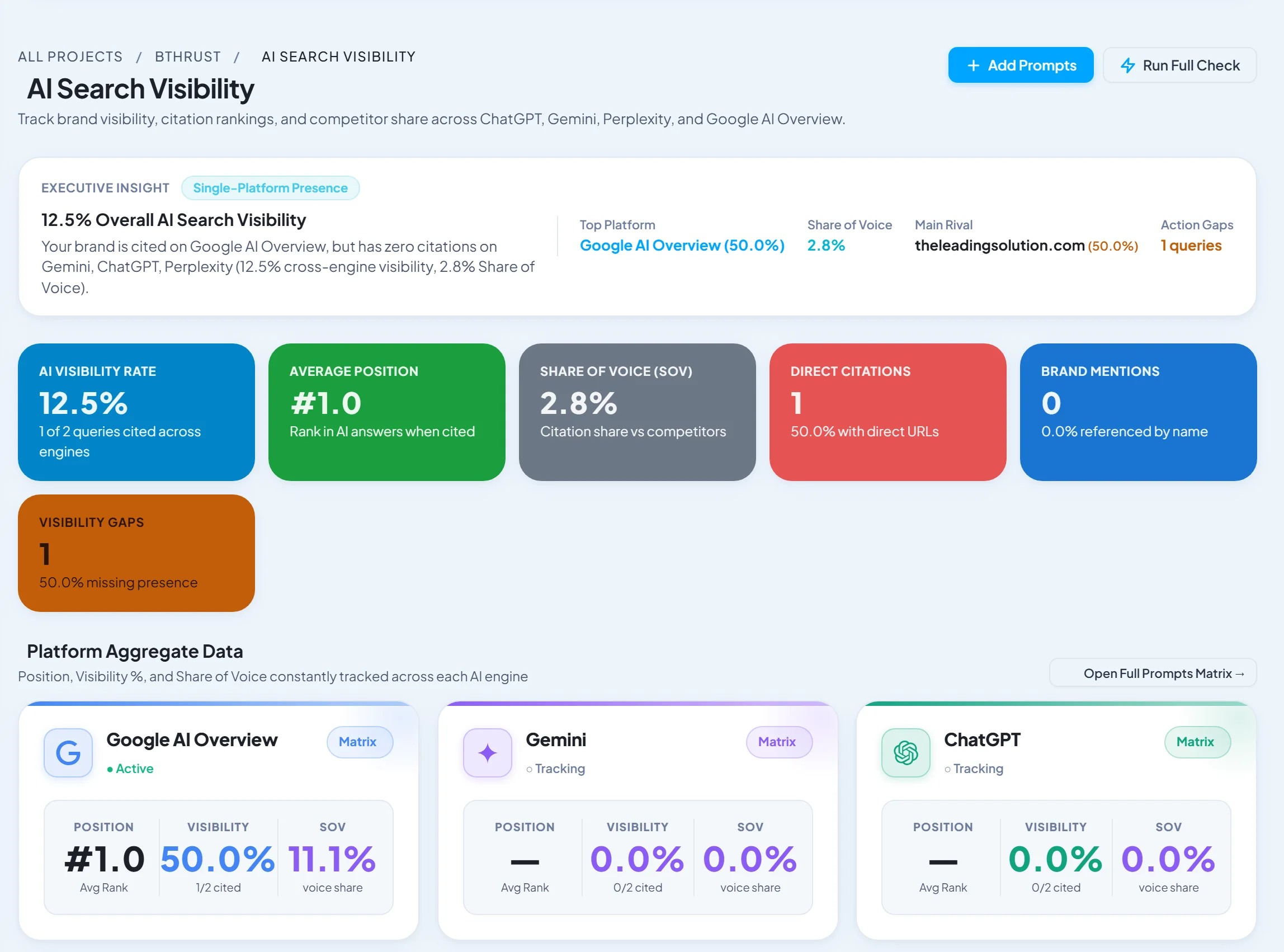


Fantastic actionable guidance. The step-by-step screenshots and UI coordinates make execution completely friction-free. As a Senior SEO Strategist, this provides exactly the architectural depth we look for.