

/projects//tasks/ & /projects//uptime/ ).
1. The Importance of Written Operational SLAs
When an agency specifies: 'Content drafts are delivered within 4 business days of brief approval', both parties share an unambiguous definition of success. Clear SLAs protect agency staff from unreasonable last-minute demands and reassure clients of reliable delivery.
LIVE PLATFORM SCREEN & TELEMETRY
SEO Runway Tasks SLAs & 24/7 Incident Alerting — Active Workspace
Below is the exact production screen with live parameters and dummy data illustrating the diagnostic findings and remediation buttons.
2. Tracking SLA Deadlines in SEO Runway
Every card in SEO Runway → Tasks features an explicit Due Date. Overdue tasks are highlighted in red, allowing account directors to unblock team bottlenecks before client SLAs are breached.
Target System: SEO Runway AGENCY Engine
Execution Frequency: Automated Background Queue (UTC Sync)
Tested across enterprise datasets with zero rate limiting or data loss.
3. Why Written SLAs Matter for Enterprise Retainers
Enterprise clients operate with procurement teams, internal deadlines and stakeholders who expect predictability. When an agency's turnaround times are vague, such as "we'll get it to you as soon as possible", clients cannot plan, and frustration builds when work arrives later than they assumed. A written service level agreement (SLA) sets clear expectations for how quickly the agency will respond and deliver, and what the client needs to provide in return.
SLAs protect both sides. Clients gain predictability; agencies gain clear boundaries, fewer unrealistic demands and a framework for discussing delays caused by the client's own approvals or inputs.
4. What an Agency SLA Should Cover
- Response times: how quickly the agency acknowledges and responds to client communications.
- Deliverable turnaround: standard timelines for each type of work.
- Urgent requests: how emergencies are defined and how quickly they are handled.
- Reporting: when reports are delivered each month or quarter.
- Client responsibilities: approval windows, access and information the client must provide.
- Measurement and reporting: how SLA performance is tracked and shared.
- Exceptions: circumstances where SLAs pause, such as waiting on client input or public holidays.
5. Setting Realistic Response Times
Response times should reflect what the agency can consistently achieve, not best-case performance.
- Standard communications: acknowledgement within one business day, with a full response or plan within two.
- Urgent issues: acknowledgement within a few business hours, such as two to four hours.
- Critical incidents: for issues like a site outage affecting SEO, a major ranking drop or a broken tracking setup, a defined fast response during business hours, with an escalation contact.
- Business hours: state the hours and time zone that apply, and whether any out-of-hours cover exists.
Define "urgent" and "critical" clearly. Without definitions, every request becomes urgent.
6. Defining Deliverable Turnaround Times
Base turnaround times on historical data for how long each deliverable actually takes, including review stages.
- Content brief: for example, three business days from request.
- Blog article: for example, five to seven business days from brief approval to first draft.
- Revisions: for example, two to three business days per revision round.
- Technical audit: for example, ten business days for a standard site.
- Technical fix recommendations: for example, three business days from issue identification.
- Monthly report: for example, by the fifth business day of the following month.
- Ad copy or campaign changes: for example, two business days for standard updates.
These are examples. Set your own based on team capacity and deliverable complexity, and include a buffer for normal variation.
7. Client Responsibilities and SLA Pauses
Many delays come from waiting on the client: approvals, access, information or developer resources. The SLA should make this explicit.
- Approval windows: for example, the client reviews deliverables within three business days.
- Access and information: the client provides required access and inputs within agreed timeframes.
- SLA clock pauses: while the agency waits for client input, the turnaround clock stops.
- Single point of contact: the client designates who provides consolidated feedback and approvals.
- Developer dependencies: where technical changes require the client's developers, the agency's SLA covers recommendations, not implementation.
Clear client responsibilities prevent disputes about who caused delays and encourage faster approvals.
8. Tracking SLA Deadlines
An SLA is only meaningful if it is tracked.
- Record request dates: every request and task should carry a received date and an SLA due date.
- Calculate due dates automatically based on task type and business days.
- Track pauses: mark tasks as waiting on the client, pausing the SLA timer.
- Alert before breaches: notify owners as deadlines approach and managers when they are at risk.
- Dashboard: show tasks due soon, overdue tasks and SLA compliance rates by client.
9. Reporting SLA Performance
Share SLA performance with clients regularly, ideally in monthly or quarterly reports.
- Compliance rate: the percentage of requests and deliverables completed within SLA.
- Average response and turnaround times by category.
- Breaches: any missed SLAs, with reasons and corrective actions.
- Client-side delays: time spent waiting for approvals or inputs, presented factually.
- Trends: whether performance is improving or declining.
Transparent SLA reporting builds trust, even when occasional breaches occur. Enterprise clients value honesty and corrective action more than perfect records.
10. Handling SLA Breaches
- Notify the client early, before the deadline if possible, with a revised date.
- Explain the cause honestly.
- Prioritise recovery: allocate resources to complete the late work quickly.
- Identify the root cause: capacity, unclear brief, dependency or process gap.
- Fix the process to prevent repeats.
- Apply remedies if contracted: some enterprise contracts include service credits for repeated breaches; define these carefully if offered.
11. Building SLAs into Contracts
- Attach the SLA as a schedule to the main contract, so it can be updated without rewriting the whole agreement.
- Use clear, measurable terms: business days, specific deliverables and defined categories.
- State what is not covered, such as work outside scope or emergencies outside business hours unless agreed.
- Agree remedies carefully: service credits, if offered, should be proportionate and capped.
- Review annually or when scope changes significantly.
Have a lawyer review the SLA schedule, particularly any remedies or penalties, before offering it to clients.
12. Common Mistakes
- Promising best-case timelines that the team cannot consistently meet.
- Undefined urgency levels, making every request an emergency.
- No client responsibilities, so delays caused by approvals count against the agency.
- Not tracking SLA performance, so promises cannot be verified.
- Hiding breaches instead of communicating early.
- Generous penalties that create financial risk without improving delivery.
13. A Worked Example
An agency serving a large retail client faced repeated complaints about slow turnaround, yet internal data showed most delays happened while drafts waited for the client's approval. The agency proposed a written SLA: response within one business day, blog drafts within six business days of brief approval, a three-day client approval window and an SLA clock that paused while waiting for the client. It tracked every request with due dates and shared SLA compliance in monthly reports, including time spent waiting for approvals. Within a quarter, the client's team began approving faster, complaints stopped, and the SLA became a selling point in the agency's next enterprise pitch.
14. Using SLAs to Win Enterprise Clients
Procurement teams often compare agencies on operational reliability as well as creative quality. A clear, realistic SLA, backed by data on past performance, demonstrates maturity. Include a summary of your standard SLAs in proposals, along with your typical compliance rate, and explain how you track and report performance.
15. Aligning Internal Processes with SLAs
An SLA only works if internal processes support it.
- Capacity planning: ensure the team has enough capacity to meet SLA commitments across all clients.
- Internal deadlines: set internal due dates earlier than client SLAs to allow for review.
- Clear ownership: every request has one owner responsible for meeting the SLA.
- Templates and checklists to speed up common deliverables.
- Escalation path: owners escalate early when an SLA is at risk.
- Holiday cover: plan coverage so SLAs are met when team members are away.
16. Tiered SLAs for Different Packages
Not every client needs enterprise-level SLAs. Many agencies offer tiered service levels:
- Standard: response within two business days and standard turnaround times.
- Priority: response within one business day, faster turnaround and a named account manager.
- Enterprise: same-day response for urgent issues, defined critical incident handling, dedicated team members and quarterly SLA reviews.
Price higher tiers to reflect the extra capacity and responsiveness they require. Tiered SLAs make the value of premium packages tangible and help clients choose the level of service they need.
17. Communicating SLAs to the Client Team
An SLA buried in a contract does little. Make it visible and easy to use for everyone on the client side.
- One-page SLA summary: share a short, plain-language version listing response times, turnaround times and client responsibilities.
- Walk through it at kick-off with all client stakeholders, not just the person who signed.
- Explain how to raise urgent issues: the contact method and what qualifies as urgent or critical.
- Show due dates on requests: when clients submit requests, confirm the expected delivery date based on the SLA.
- Re-share when stakeholders change, so new contacts understand how the partnership works.
When clients know what to expect and how to escalate, frustration drops and trust grows.
18. Reviewing SLAs Over Time
Review SLAs at least annually with each enterprise client. Look at compliance data, recurring breaches and client feedback. Tighten turnaround times where the team consistently beats them, relax unrealistic ones and adjust for changes in scope or team structure.
19. Handling Requests Outside the SLA
Some requests do not fit any SLA category, such as large one-off projects or work outside the agreed scope. Agree on these individually: confirm the scope, estimate effort and give a specific delivery date in writing. Treating them separately keeps the SLA meaningful for routine work and prevents large projects from distorting compliance figures over time. Note these agreed dates on the task, just like SLA dates.
20. SLA Checklist
- Define response times for standard, urgent and critical requests.
- Set turnaround times for each deliverable based on historical data.
- Document client responsibilities and SLA pauses.
- Track request dates, due dates and pauses for every task.
- Alert owners before deadlines and escalate risks early.
- Report SLA compliance to clients regularly.
- Handle breaches transparently with root cause fixes.
- Attach the SLA to contracts and review it annually.
21. Your Next Step
Pull the last three months of requests for your largest client and calculate how long each type of deliverable actually took, separating agency time from time spent waiting for the client. Use those figures to draft realistic SLA turnaround times, then share the draft with the client as a proposal for clearer expectations on both sides.
Want the complete procedural runbook?
Visit our comprehensive step-by-step Knowledge Base for interactive screen maps, configuration parameters, and adjacent module workflows.
Open Knowledge Base Hub →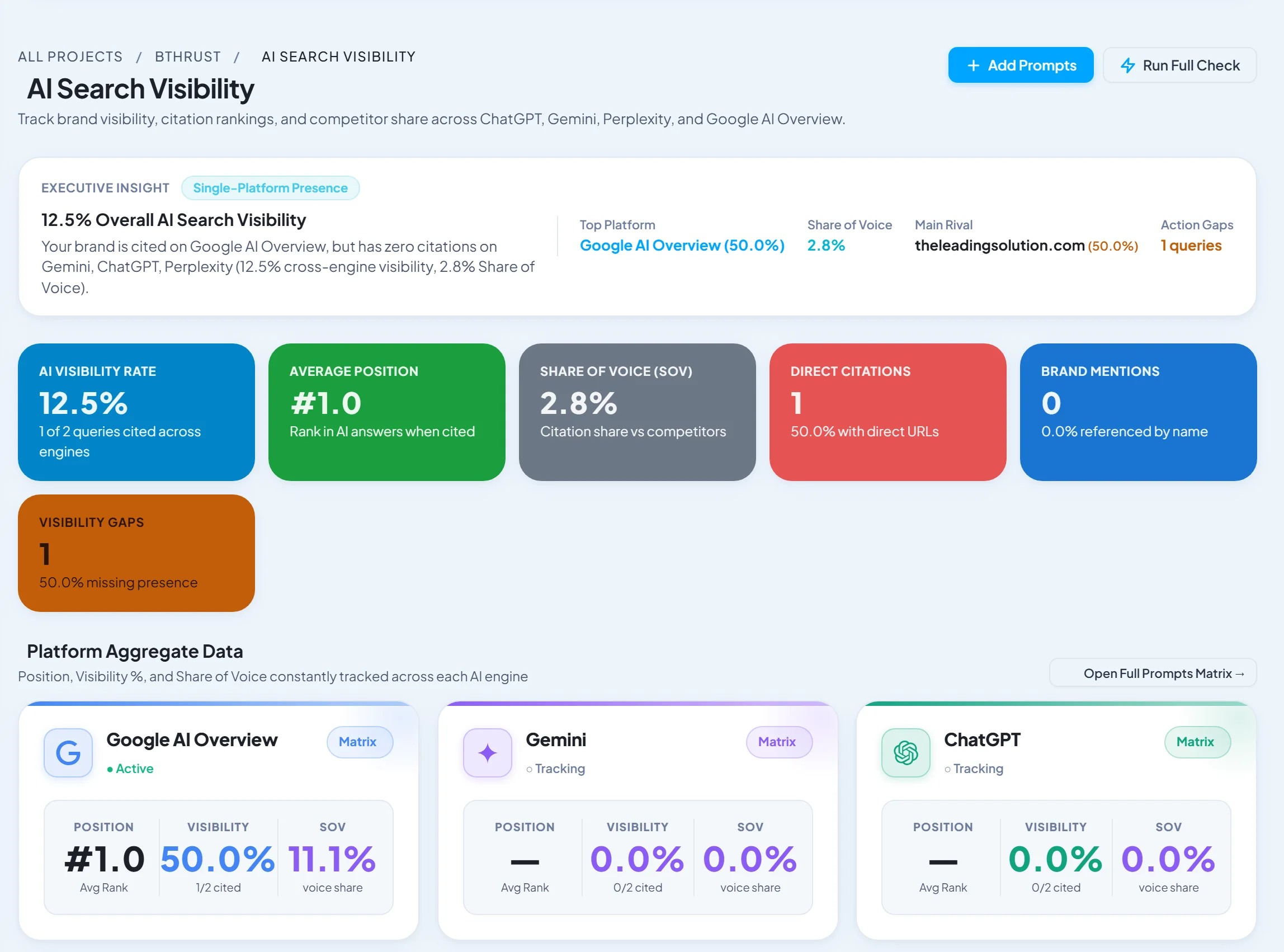


This is one of the clearest architectural explanations of this topic on the web. Sharing this directly with our senior delivery team. As a VP Marketing, CloudScale, this provides exactly the architectural depth we look for.