
/projects//social/compose/ ).
1. Platform-Specific Audience Expectations
LinkedIn is an executive boardroom where professionals look for tactical career insights and business benchmarks. Instagram is a visual magazine where aesthetics and emotional resonance rule. A single composer must allow content teams to tailor formatting for both platforms without starting from scratch.
LIVE PLATFORM SCREEN & TELEMETRY
SEO Runway Social Media Multi-Channel Composer — Active Workspace
Below is the exact production screen with live parameters and dummy data illustrating the diagnostic findings and remediation buttons.
2. Composing in SEO Runway
Open SEO Runway → Social Media → Compose Post. Select Facebook, Instagram, and LinkedIn. Click each channel tab to customize text length, insert emojis, and verify character counts against network limits.
Target System: SEO Runway SOCIAL Engine
Execution Frequency: Automated Background Queue (UTC Sync)
Tested across enterprise datasets with zero rate limiting or data loss.
3. Cross-Posting Versus Adapting
Cross-posting means publishing the same content on several networks. Done lazily, it means identical captions, the same image crop and the same hashtags everywhere, which tends to perform poorly because each platform has different audiences, formats and expectations. Done well, it means taking one core idea and adapting it for each network. The message stays consistent; the presentation changes.
The aim is efficiency without sameness. You create one piece of thinking, such as a tip, a story, an announcement or a data point, and express it in the way each audience prefers to consume content.
4. How Facebook, Instagram and LinkedIn Differ
- Audience mindset: community, local news, events and conversation with friends and groups.
- What works: conversational posts, questions, local and community content, events, short videos and photos of real people.
- Links: links can be included directly in posts, with a clear preview image.
- Length: short to medium captions; lead with the key point.
- Audience mindset: visual discovery and inspiration.
- What works: strong visuals, Reels, carousels, behind-the-scenes Stories and a consistent visual style.
- Links: captions do not support clickable links; use the profile link, link stickers in Stories or calls to action that send people to search.
- Length: the visual carries the message; captions support it, with the hook in the first line.
- Audience mindset: professional learning, career and industry insight.
- What works: expert opinions, lessons learned, data, document carousels, practical advice and company news with substance.
- Links: can be included in posts; test whether placing them in the post or a comment works better for your audience.
- Length: longer text posts can perform well when they are well structured with short paragraphs.
5. Adapting One Idea for Three Networks
Take a single idea: "Our customers cut their website load time in half by compressing images." Here is how it changes by platform.
- LinkedIn: a text post opening with the result, explaining the three steps the customer took, the business impact and a lesson for other marketers, with a link to the case study. Alternatively, a short document carousel walking through the steps.
- Instagram: a carousel with a bold before-and-after load time on the first slide, one step per slide, and a final slide inviting people to find the full guide via the profile link. Or a short Reel showing the page loading before and after.
- Facebook: a conversational post asking "How long does your website take to load?", sharing the result in a sentence or two and linking to the guide, with an image or short video.
The core message, the result and the guide are the same everywhere. The hook, format, length and call to action are adapted to each audience.
6. Image and Video Formats
Visual formats differ between platforms, and a crop that looks good on one can be cut off on another. Prepare versions for each.
- Vertical 9:16: full-screen video and Stories on Instagram and Facebook.
- Portrait 4:5: takes up more of the feed on Instagram and Facebook, and works well on LinkedIn mobile.
- Square 1:1: a safe choice for feed posts across all three networks.
- Landscape 1.91:1 or 16:9: link previews and some video formats, especially on desktop.
Keep important text and faces away from the edges, so they survive cropping. Add captions to videos, since many people watch with the sound off. Check the latest specifications on each platform periodically, because recommended sizes change.
7. Captions and Hashtags
- Rewrite the hook for each network. The first line decides whether people keep reading.
- Adjust tone: more conversational on Facebook, more visual and concise on Instagram, more insight-led on LinkedIn.
- Use hashtags sparingly: a few relevant hashtags on Instagram and LinkedIn; on Facebook they matter less.
- Tag people and companies where relevant and appropriate, using each platform's handles.
- Adapt calls to action to how links work on each platform.
8. An Efficient Cross-Posting Workflow
- Write the core idea once: a short brief stating the message, the evidence, the audience and the destination page.
- Create the master asset: a high-resolution image, design file or video from which every crop and cut can be produced.
- Produce platform versions: export the crops and edits each network needs.
- Write platform captions: start from the brief and write a dedicated caption for each network. AI can draft variations, but edit them for voice and accuracy.
- Tag links: use UTM parameters with the platform as the source, so results can be compared.
- Schedule thoughtfully: publish at the times that suit each audience, rather than all at once.
- Engage after publishing: reply to comments on each network, especially in the first hour or two.
A social media management tool that lets you compose once and customise each network's caption and media saves considerable time. Check that it shows a preview for each platform before publishing.
9. Measuring What Works Where
Compare performance by platform using metrics that fit each one's purpose:
- Reach and impressions: how many people saw the post.
- Engagement rate: reactions, comments, shares and saves divided by reach.
- Clicks and visits: from UTM-tagged links in analytics.
- Conversions: sign-ups, enquiries or purchases from those visits.
- Follower growth: a slower-moving signal of longer-term interest.
Look for patterns over several weeks. You may find that carousels outperform everything on LinkedIn, Reels drive reach on Instagram and event posts work best on Facebook. Shift effort accordingly.
10. Common Cross-Posting Mistakes
- Identical captions everywhere, including "link in bio" on platforms where links work.
- Wrong crops, with text or faces cut off.
- Posting everywhere at the same minute, regardless of when each audience is active.
- Using the same hashtags everywhere, including long lists on LinkedIn or Facebook.
- Ignoring comments on secondary platforms.
- Sharing watermarked videos exported from one platform to another, which can look low effort and may be shown less.
11. A Worked Example
A local fitness studio used to post the same promotional image and caption on Facebook, Instagram and LinkedIn three times a week. Engagement was low on every platform. The owner changed approach: Instagram received short Reels of classes and member transformations, Facebook received community posts about events and member milestones with links to the class timetable, and LinkedIn received occasional posts about corporate wellness packages and lessons from running the business. Each version came from the same weekly theme. Within two months, Instagram reach had grown noticeably, Facebook event posts were filling classes, and LinkedIn produced two corporate enquiries the studio had never received before.
12. Consistency Without Repetition
Followers who see you on more than one network should recognise the brand everywhere without feeling they have seen the same post three times. Keep these elements consistent:
- Visual identity: colours, fonts, logo placement and photography style.
- Voice: the personality of the brand, even as the tone shifts slightly between networks.
- Core messages: the main themes, offers and positions you want to be known for.
- Profile information: names, descriptions, contact details and website links.
Vary these elements by network:
- Format: Reels, carousels, text posts, events or documents.
- Hook and caption length.
- Posting time and frequency.
- Call to action and link placement.
Some content also deserves to be platform-exclusive. Instagram Stories with polls, LinkedIn posts about industry debates or Facebook group discussions may not need versions elsewhere. A healthy mix of adapted and exclusive content gives followers a reason to follow you on more than one network.
13. Cross-Posting Checklist
- Write one brief per idea: message, evidence, audience and destination.
- Create a master asset and export crops for 9:16, 4:5, 1:1 and landscape.
- Write a dedicated hook and caption for each network.
- Adapt hashtags, tags and link placement to each platform.
- Tag links with UTM parameters by platform.
- Schedule at the best times for each audience.
- Reply to comments on every network.
- Compare results by platform and shift effort to what works.
14. Your Next Step
Take your next planned post and write three versions before publishing: one for Facebook, one for Instagram and one for LinkedIn, each with its own hook, format and call to action. Publish them at the right times for each audience and compare the results after a week. That single experiment usually shows the value of adapting rather than copying.
15. Handling Comments and Messages Across Networks
Publishing on three networks means three places where customers comment, ask questions and send messages. Engagement after posting matters as much as the post itself, both for the relationship with customers and because early conversation can help a post reach more people.
- Check each network daily, or use a social inbox that collects comments and messages from all connected accounts in one place.
- Reply within hours, not days, especially to questions about products, prices or availability.
- Match the platform's tone: friendly and informal on Instagram and Facebook, thoughtful and professional on LinkedIn.
- Move sensitive conversations to private messages, such as complaints or anything involving personal details.
- Save common answers as templates, then personalise them before sending.
- Track recurring questions: if the same question appears on every network, answer it in a post or on your website.
Assign clear responsibility. When three people each assume someone else is watching Facebook, comments go unanswered for a week.
16. When Identical Posting Is Fine
Not everything needs heavy adaptation. Urgent operational updates, such as holiday closures, weather disruptions or a service outage, should go out quickly and consistently everywhere. In those cases, clarity and speed matter more than platform-specific polish. Adjust the image crop if needed, publish the same message on every network and pin it where possible until the situation is resolved.
Want the complete procedural runbook?
Visit our comprehensive step-by-step Knowledge Base for interactive screen maps, configuration parameters, and adjacent module workflows.
Open Knowledge Base Hub →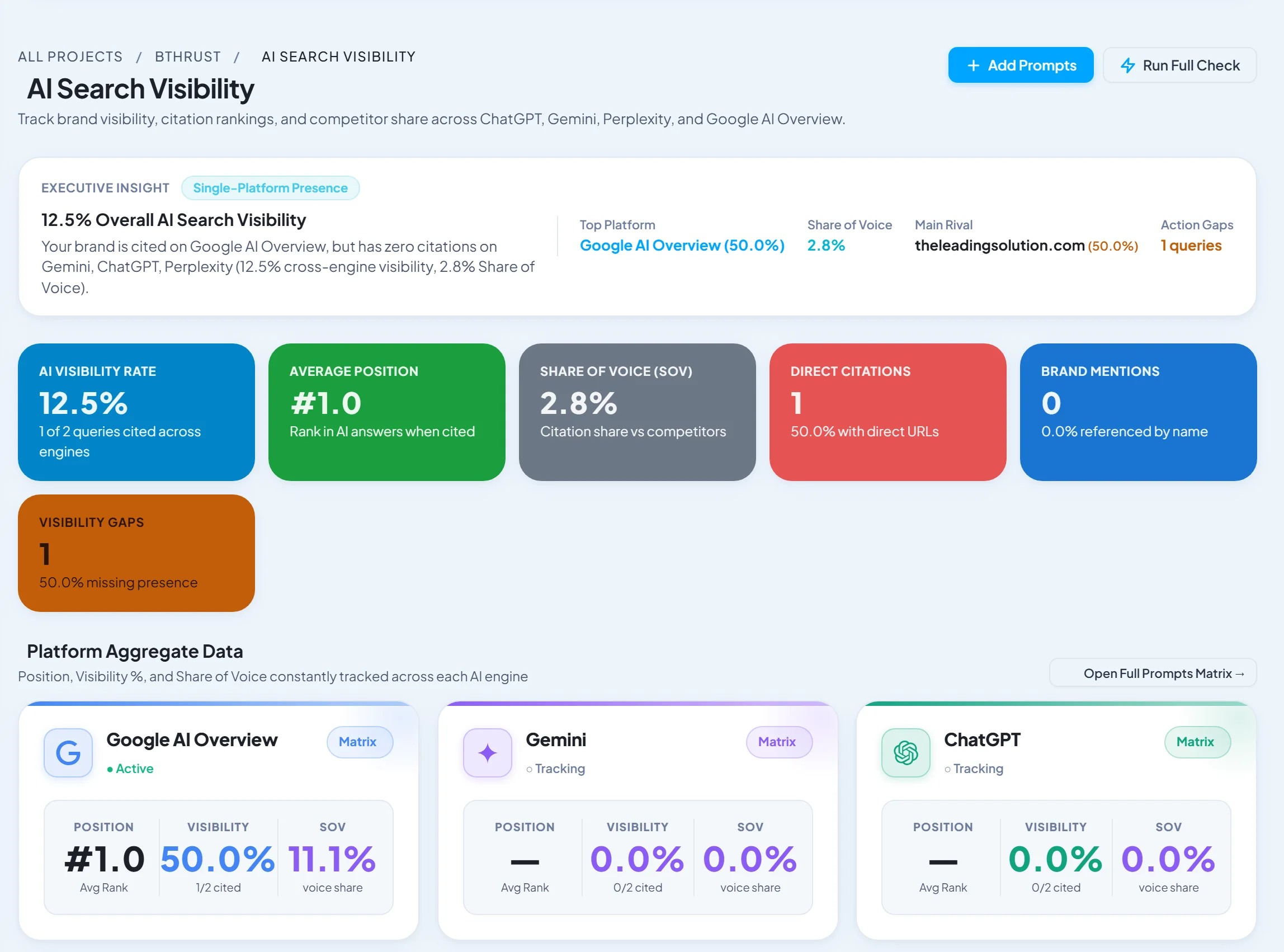


Bookmarked. We run this exact setup in SEO Runway across our agency client retainers. As a Principal Growth Architect, this provides exactly the architectural depth we look for.