

/projects//tasks/ & /projects//settings/ ).
1. The Economics of Retainer Degradation
An agency signs a client for $4,000/month expecting 25 hours of specialist labor ($160/hr effective rate). As the client requests extra landing pages, social posts, and ad campaigns, hours balloon to 55 per month, dropping the effective rate to $72/hr—below agency overhead costs.
LIVE PLATFORM SCREEN & TELEMETRY
SEO Runway Tasks Kanban & Custom Fields Manager — Active Workspace
Below is the exact production screen with live parameters and dummy data illustrating the diagnostic findings and remediation buttons.
2. Managing Scope with SEO Runway Tasks
Tag all client requests in SEO Runway → Tasks as 'In-Scope Retainer' or 'Add-On Opportunity'. This maintains complete transparency for both account managers and clients.
Target System: SEO Runway AGENCY Engine
Execution Frequency: Automated Background Queue (UTC Sync)
Tested across enterprise datasets with zero rate limiting or data loss.
3. How Scope Creep Erodes Margins
Scope creep rarely arrives as one big request. It builds up through small favours: "Could you just look at this landing page?", "Can you add one more blog post this month?", "Would you mind checking our ad account while you're in there?" Each request seems reasonable and quick. Together, they can add many hours a month that nobody bills. Over a year, a retainer priced for a healthy margin can quietly become unprofitable.
The damage goes beyond money. Teams stretched by unbilled work miss deadlines on core deliverables, quality slips, and the client's perception of value can actually fall, because the agreed outcomes are delivered less well.
4. Understanding Retainer Economics
Gross margin is revenue minus the direct cost of delivery, as a percentage of revenue. For a retainer of $5,000 per month with $1,750 of delivery cost, gross margin is 65%. If unbilled extra work adds $1,000 of delivery cost, margin drops to 45%, and the account may barely cover its share of overheads.
- Track delivery time per client, even on fixed-price retainers, to see the real cost.
- Calculate margin monthly for each account.
- Set a target margin, such as 60% to 65% gross margin, and a warning threshold.
- Investigate accounts below the threshold, looking for scope creep, inefficient processes or underpricing.
5. Defining Scope Precisely
Scope creep thrives on vague contracts. The clearer the scope, the easier it is to recognise and manage extra requests.
- List deliverables with quantities: "Four blog articles per month, up to 1,500 words each, including one round of revisions."
- Define revision limits: how many rounds of changes are included for each deliverable type.
- Specify channels and properties: which websites, locations and accounts are covered.
- State meeting allowances: for example, one monthly strategy call and one quarterly review.
- List exclusions: website development, design, copywriting for other channels, ad spend management or support for additional domains.
- Explain the change process: how extra work is requested, estimated and approved.
Share a plain-language summary of the scope with the client at kick-off, not just the contract. Clients rarely remember contract details, but they remember a clear one-page summary.
6. Recognising Scope Creep Early
- Requests outside the deliverables list, even small ones.
- Extra revision rounds beyond the agreed limit.
- More meetings or longer calls than included.
- New stakeholders adding their own requests and opinions.
- Urgent requests that disrupt planned work.
- Time tracking showing a client consistently over budget.
Encourage the team to flag out-of-scope requests to the account manager rather than quietly doing the work.
7. Responding to Out-of-Scope Requests
Saying no bluntly damages relationships; saying yes to everything destroys margins. Use a positive, structured response instead.
- Acknowledge the request and show interest in helping.
- Explain that it is outside the current scope, referencing the agreed deliverables.
- Offer options: add it as a paid extra with a quote, swap it for an existing deliverable this month, or schedule it in a future month.
- Confirm the decision in writing and update the task list.
Example: "Happy to help with the new landing page. It's outside our current SEO scope, so we can either quote it as a one-off project, or replace one of this month's blog articles with it. Which would you prefer?"
This approach treats the client as a partner making a choice, rather than someone being refused.
8. Using Change Requests
A simple change request process makes extra work visible and billable.
- Change request form or task: description, reason, estimated effort, cost and timeline.
- Client approval before work starts.
- Tracking: change requests tagged separately in the task system, so they can be invoiced and analysed.
- Review trends: if a client repeatedly requests the same extra work, propose upgrading their package to include it.
9. Managing Scope Through Your Task System
- Create tasks from the scope: each month's tasks should come from the agreed deliverables list.
- Label out-of-scope tasks clearly, so they stand out in reviews.
- Track time against tasks to compare estimates with reality.
- Use budgets per client: monitor hours or cost used against the monthly allowance, with alerts when approaching the limit.
- Review monthly: account managers check scope usage and margin before the next month's planning.
10. Training the Team to Protect Scope
Scope creep often comes from helpful team members trying to keep clients happy. Give them the tools to handle requests confidently.
- Explain why scope matters: unbilled work means less time for core deliverables and lower profitability, which affects everyone.
- Give a standard response: "Great idea, let me check with [account manager] how we can fit that in."
- Make flagging easy: a quick way to log out-of-scope requests in the task system.
- Recognise good judgement: praise team members who flag requests rather than absorbing them.
11. Improving Efficiency to Protect Margins
Margins depend on cost as well as scope. Make core delivery more efficient.
- Templates and checklists for audits, briefs, reports and recurring tasks.
- Automation for data collection, reporting and routine monitoring.
- Specialisation: team members who focus on specific tasks become faster and more consistent.
- Fewer revision rounds through better briefs and clearer approval processes.
- Standard tools across clients, so the team does not waste time switching between systems.
12. Common Mistakes
- Vague scope such as "ongoing SEO support".
- Not tracking time on fixed-price retainers.
- Saying yes to keep the client happy, then resenting the work.
- Waiting until renewal to raise scope problems.
- Letting new stakeholders expand scope without discussion.
- Never upgrading packages for clients who consistently need more.
13. A Worked Example
A digital agency noticed that its largest client, on a fixed $8,000 monthly retainer, had dropped to under 40% gross margin. Time tracking showed the team was spending many hours a month on landing page copy, ad account checks and extra meetings that were not in the scope. The account manager presented the data to the client, explained the agreed scope and proposed two options: an upgraded package covering the extra work at a higher monthly fee, or a return to the original scope with extra requests quoted individually. The client chose the upgrade. Margin recovered above 60%, and the team stopped feeling overloaded.
14. Raising Scope Issues with Clients
- Prepare data: hours spent, tasks completed and how they compare with the agreed scope.
- Frame it as alignment: "We want to make sure we're focusing on what matters most to you."
- Show the impact: extra work is reducing time for core deliverables.
- Offer clear options: upgrade, reprioritise or quote extras separately.
- Agree and document the outcome.
Most clients respond well to transparent, data-backed conversations, especially when the agency has delivered good results.
15. Building Flexibility into Packages
Some scope creep happens because client needs genuinely change month to month. Rather than fighting every variation, build controlled flexibility into the retainer.
- Credit-based allowances: give each package a monthly allowance of credits or hours that clients can allocate across a menu of deliverables, with clear values for each.
- Swap rules: allow clients to swap one deliverable for another of equal effort, such as two blog articles for one landing page.
- Rollover limits: decide whether unused allowance rolls over, and for how long, to prevent large backlogs building up.
- Priority reviews: agree priorities monthly, so changing needs are handled in planning rather than through ad hoc requests.
Flexibility within limits keeps clients satisfied while protecting the agency from open-ended commitments.
16. When New Stakeholders Arrive
New marketing managers or executives on the client side often bring new ideas and requests. Treat their arrival as a re-onboarding moment: meet them, explain the current scope, goals and results, and invite their priorities into the next planning cycle. Agree whether their requests replace existing work or require an expanded scope. Handling this conversation early prevents a slow drift of extra work that nobody formally approved.
17. Pricing Extra Work Fairly
When quoting out-of-scope requests, price them so they protect margin rather than eroding it.
- Use a rate card: standard prices for common extras, such as additional articles, landing pages, audits and extra meetings, make quoting quick and consistent.
- Price above retainer rates: ad hoc work disrupts planning, so it is reasonable to charge a premium over the effective hourly rate within the retainer.
- Include project management time: extra work needs coordination, review and communication, not just production.
- Set minimums: a minimum charge for small requests avoids dozens of tiny invoices.
- Offer bundles: clients who regularly request extras may prefer a pre-paid bundle at a modest discount.
A clear rate card also helps clients decide what is worth paying for, which naturally reduces low-value requests.
18. Reviewing Scope at Every Renewal
Renewal is the natural moment to reset scope. Compare the work actually delivered over the term with the original package, including approved extras, and propose a package that reflects the client's real needs. Clients who consistently need more should move up a tier; clients who use less may prefer a lighter package rather than cancelling.
19. Scope Protection Checklist
- Define deliverables, quantities, revisions, meetings and exclusions precisely.
- Share a plain-language scope summary at kick-off.
- Track time and calculate gross margin per client monthly.
- Train the team to flag out-of-scope requests.
- Respond with options: paid extra, swap or schedule later.
- Use a change request process with client approval.
- Improve efficiency with templates and automation.
- Raise persistent scope issues early, with data and options.
20. Your Next Step
Pull time tracking for your top five clients for the last three months and calculate gross margin for each. For any client below your target, list the tasks that fall outside the agreed scope. Use that list to start a constructive conversation about upgrading, reprioritising or quoting extras separately.
Want the complete procedural runbook?
Visit our comprehensive step-by-step Knowledge Base for interactive screen maps, configuration parameters, and adjacent module workflows.
Open Knowledge Base Hub →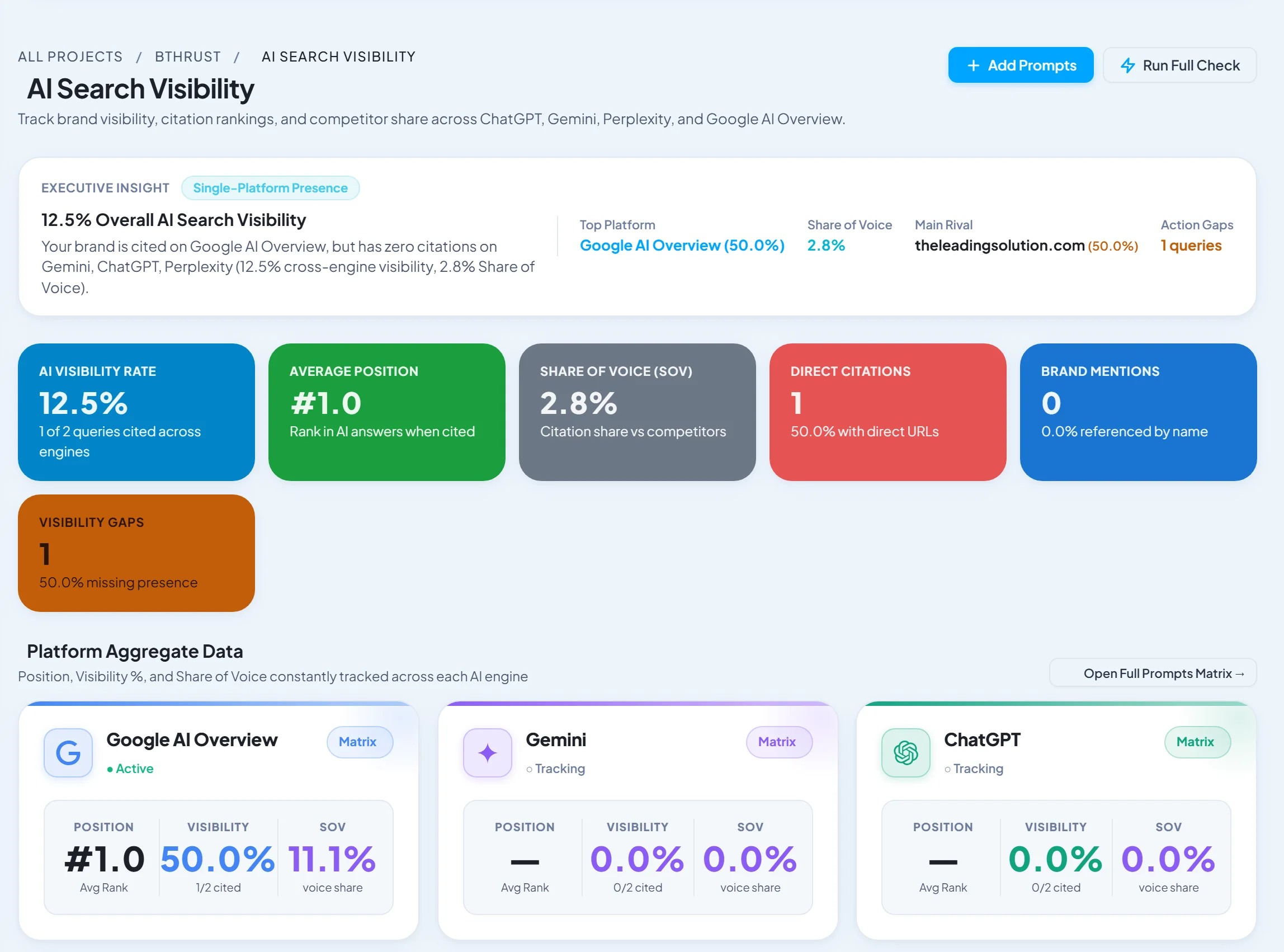


Incredible breakdown. We implemented this exact workflow last week and already saw a noticeable shift in our telemetry. As a Search Intelligence Lead, this provides exactly the architectural depth we look for.