

/projects//settings/packages/ ).
1. The Pitfalls of Hourly Retainer Pricing
Agencies that sell blocks of hours constantly argue with clients over timesheets. Clients question why a task took 3 hours instead of 2. Value-based retainers focus on outcomes: technical health, keyword positions, paid efficiency, and business leads.
LIVE PLATFORM SCREEN & TELEMETRY
SEO Runway Service Packages & Custom Fields Catalog — Active Workspace
Below is the exact production screen with live parameters and dummy data illustrating the diagnostic findings and remediation buttons.
2. Configuring Packages in SEO Runway
Open SEO Runway → Settings → Packages & Custom Fields. Define your agency's standard tiers, deliverable checklists, and billing cycles to standardize proposals across all account executives.
Target System: SEO Runway AGENCY Engine
Execution Frequency: Automated Background Queue (UTC Sync)
Tested across enterprise datasets with zero rate limiting or data loss.
3. Why Hourly Pricing Limits Agency Growth
Hourly pricing seems fair: the client pays for time spent. In practice, it creates problems for both sides. Clients focus on hours rather than outcomes, question every timesheet and feel penalised when work takes longer. Agencies are rewarded for being slow rather than efficient; as they get better and faster through experience and tools, their revenue falls. Hourly pricing also makes revenue unpredictable and caps growth at the number of billable hours the team can work.
Package and value-based retainers address these problems by pricing defined outcomes and deliverables rather than time. Clients know what they will pay and what they will get; agencies can improve efficiency and keep the margin.
4. Understanding Your Costs First
Profitable pricing starts with accurate cost knowledge.
- Delivery cost per hour: salaries and benefits divided by realistic productive hours, not total hours.
- Tools and software: SEO platforms, reporting tools, design software and data subscriptions, allocated per client.
- Overheads: management, sales, office, finance and administration, which must be covered by delivery margin.
- Time per deliverable: track how long common deliverables actually take, such as a blog article, a technical audit or a monthly report.
With these numbers, you can calculate the true cost of delivering each package and set prices that produce the gross margin you need, often 50% to 70% for healthy agencies.
5. Designing Tiered Packages
Most agencies use three tiers. Three options make comparison easy and often steer clients towards the middle option.
- Foundation: for smaller businesses or early-stage programmes. Core deliverables, such as technical monitoring, a set number of content pieces per month and monthly reporting.
- Growth: the main package for most clients. More content, link building or digital PR, conversion recommendations and more strategic input.
- Scale or enterprise: for larger or more competitive clients. Higher volumes, multiple channels, dedicated strategist time and quarterly business reviews.
What to define in each package
- Deliverables with quantities: for example, four articles of up to 1,500 words per month.
- Channels covered: SEO only, or SEO with paid search and social.
- Communication: meeting frequency, response times and reporting cadence.
- Strategy time: planning sessions, audits and roadmap updates.
- Exclusions: what is not included, such as website development or ad spend.
Clear definitions make packages easier to sell and protect margins later by making scope explicit.
6. Pricing Based on Value, Not Only Cost
Cost sets the floor; value sets the ceiling. Consider what results are worth to the client.
- Customer value: a law firm whose average case is worth thousands can justify a higher retainer than a local café, even for similar work.
- Competition: more competitive markets require more work and justify higher prices.
- Specialisation: agencies with deep expertise in one industry can charge more because they deliver results faster and with less risk.
- Revenue share or performance elements: some agencies add bonuses for hitting agreed goals, though these require clear measurement and careful contracts.
7. Add-Ons and Project Work
Not everything belongs in the monthly retainer. Offer add-ons and one-off projects for work that is occasional or variable.
- Technical audits at the start of an engagement or after a site migration.
- Website migrations with SEO planning and monitoring.
- Extra content beyond the package allowance, priced per piece.
- Landing page design and conversion rate testing.
- Digital PR campaigns priced per campaign.
- Training workshops for clients' internal teams.
Add-ons increase revenue per client without overloading the core retainer, and they make it easy to say yes to extra requests without giving work away.
8. Presenting Packages to Prospects
- Start with goals: discuss the prospect's goals and challenges before mentioning prices.
- Recommend a package based on those goals, explaining why it fits.
- Show the tiers side by side, with deliverables and outcomes for each.
- Explain the timeline: SEO results take months; set expectations for when progress should become visible.
- Anchor with value: connect the price to potential returns, such as the value of additional leads.
- Offer a minimum term: many agencies require six or twelve months for SEO, because results take time and onboarding has upfront cost.
9. Protecting Margins After the Sale
- Track time against packages: even with package pricing, tracking internal time shows whether each client is profitable.
- Review profitability monthly: compare each client's revenue with delivery cost and flag accounts below target margin.
- Manage scope: handle extra requests through add-ons or change requests rather than absorbing them.
- Standardise delivery: templates, checklists and tools reduce the time each deliverable takes.
- Raise prices regularly: review prices annually for new and existing clients, in line with costs and the value delivered.
10. Common Pricing Mistakes
- Underpricing to win clients, then struggling to deliver profitably.
- Vague deliverables, such as "ongoing SEO", which invite scope creep.
- Too many custom packages, making delivery inconsistent and hard to manage.
- Ignoring tool and overhead costs when calculating margins.
- Never increasing prices for long-term clients.
- Selling on price rather than outcomes, attracting price-sensitive clients who churn quickly.
11. A Worked Example
A small SEO agency billed most clients hourly and often wrote off time to avoid disputes. Gross margin hovered around 35%. The agency tracked delivery time for three months, calculated the true cost of its core deliverables and created three packages with defined deliverables, plus add-ons for audits and extra content. New clients signed six-month minimum terms. Existing clients were moved to packages at their renewal dates, with clear explanations of what each package included. Within a year, revenue became predictable, write-offs nearly disappeared, and gross margin rose above 55% as the team standardised delivery with templates and tools.
12. Packaging Full-Service Retainers
Full-service agencies offering SEO, paid media, social and content need packages that combine channels without becoming confusing.
- Channel modules: define each channel as a module with its own deliverables, so clients can combine them.
- Bundle discounts: offer modest discounts for multi-channel packages, which increase client value and stickiness.
- Separate media spend: keep advertising budgets separate from management fees, with fees based on spend tiers or fixed amounts.
- Integrated strategy: include a strategist who coordinates channels, which is a key reason clients choose full-service agencies.
- Unified reporting: one report covering all channels reinforces the integrated value.
13. Communicating Price Increases
Give existing clients at least 30 to 60 days' notice of price changes. Explain the reason, such as rising costs or expanded deliverables, and remind them of the results achieved together. Offer the option to stay at the current price with a slightly reduced scope, so clients feel they have a choice.
14. Moving Existing Clients from Hourly to Packages
Switching existing clients requires care, because they are used to the old model.
- Analyse their history: review the last six to twelve months of hours and deliverables to understand what they actually receive.
- Map them to a package: choose the tier that best matches their typical work and goals.
- Explain the benefits for them: predictable costs, no timesheet reviews and a clear list of deliverables.
- Time it with renewal: introduce the change at contract renewal, with plenty of notice.
- Offer a transition period: for example, a three-month review point to adjust the package if it does not fit.
- Keep reporting outcomes: show results and deliverables clearly, so the client focuses on value rather than hours.
Some clients may prefer to stay on hourly billing, especially for unpredictable ad hoc work. Decide in advance whether you will accommodate this, perhaps at a higher hourly rate that reflects the administrative overhead.
15. Writing Package Contracts
A clear contract protects both the agency and the client.
- Deliverables schedule: a list of what is included each month, with quantities.
- Term and notice: minimum term, renewal process and notice period for cancellation.
- Change process: how extra work is requested, quoted and approved.
- Client responsibilities: timely approvals, access to accounts and website changes, and provision of information.
- Payment terms: monthly in advance is common for retainers, with consequences for late payment.
- Price reviews: how and when prices may change.
- Results disclaimer: no agency can guarantee specific rankings; describe the work and goals instead.
Have a lawyer review your standard contract once, then reuse it for every client with only the deliverables schedule changing.
16. When to Walk Away
Not every prospect suits a profitable package. Prospects who push for prices below your margin floor, demand unlimited revisions or expect guaranteed rankings often become the most demanding and least profitable clients. Define a minimum retainer and a clear fit profile, and be willing to decline work that does not meet them. Saying no protects your team's capacity for clients who value the work and pay fairly for it.
17. Testing New Prices
If you are unsure about a new price point, test it with new prospects first rather than existing clients. Quote the new packages for a quarter, track win rate and average deal size, and compare with the previous quarter. A modest drop in win rate is often acceptable if each won client is significantly more profitable. Adjust based on what you learn, then apply the proven pricing to renewals.
Pricing is never finished. Revisit packages every year as your costs, tools and results evolve.
18. Retainer Pricing Checklist
- Calculate delivery cost per hour, tool costs and overheads.
- Track actual time per deliverable.
- Design three tiers with defined deliverables, quantities and exclusions.
- Price for target gross margin and adjust for client value and competition.
- Offer add-ons and projects for occasional work.
- Present packages based on prospect goals, with minimum terms.
- Track profitability per client monthly.
- Review prices annually.
19. Your Next Step
List every deliverable you provide to your three largest clients and track how long each takes this month. Use those figures to calculate the true cost and margin of each account. If any client is below your target margin, you have found where to start: a package redesign, a scope conversation or a price review at renewal.
Want the complete procedural runbook?
Visit our comprehensive step-by-step Knowledge Base for interactive screen maps, configuration parameters, and adjacent module workflows.
Open Knowledge Base Hub →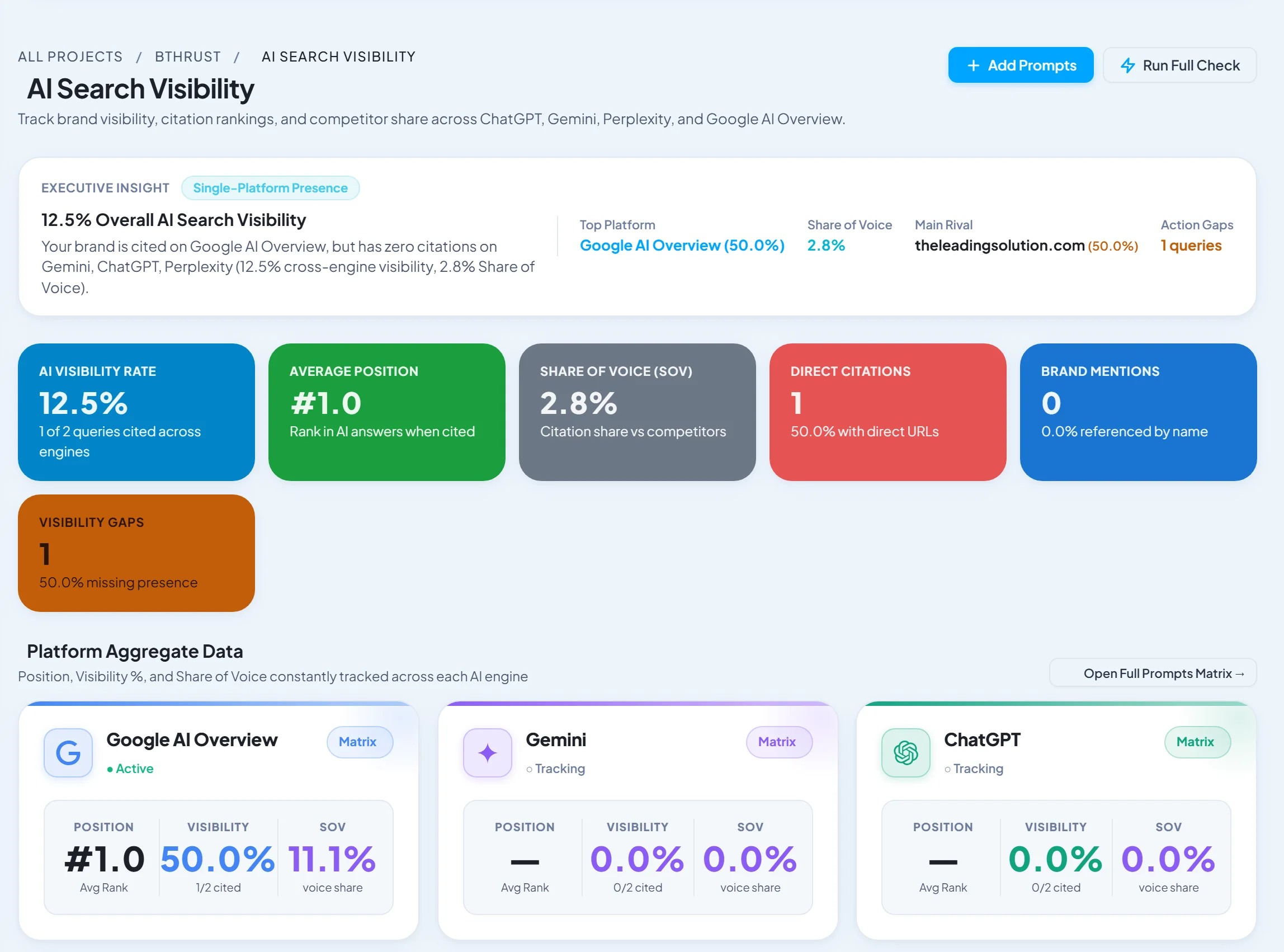


Incredible breakdown. We implemented this exact workflow last week and already saw a noticeable shift in our telemetry. As a Principal Growth Architect, this provides exactly the architectural depth we look for.