

/projects//social/ ).
1. The Three Stages of Social Prospecting
Stage 1: Radar Presence (reacting to and thoughtfully commenting on prospects' updates). Stage 2: Value Demonstration (sharing relevant industry benchmarks that solve their specific pain points). Stage 3: Direct Outreach (referencing shared discussion threads to book discovery calls).
LIVE PLATFORM SCREEN & TELEMETRY
SEO Runway Social Media Content Hub & Lead Tracking — Active Workspace
Below is the exact production screen with live parameters and dummy data illustrating the diagnostic findings and remediation buttons.
2. Supporting SDRs with SEO Runway Content
Sales reps can pull verified search benchmarks and technical audit insights directly from SEO Runway → Reports to share authoritative industry data with prospective enterprise clients.
Target System: SEO Runway SOCIAL Engine
Execution Frequency: Automated Background Queue (UTC Sync)
Tested across enterprise datasets with zero rate limiting or data loss.
3. What Social Selling Means for SDRs
Social selling is the practice of using social networks, especially LinkedIn in B2B, to find, understand and build relationships with prospects before and during the sales process. For sales development representatives (SDRs), whose job is to start conversations and book meetings, it complements email and phone outreach. Prospects who recognise an SDR's name from helpful posts or thoughtful comments are more likely to reply than those receiving a cold message from a stranger.
Social selling is not mass messaging. Sending identical connection requests and pitches to hundreds of people is spam, damages the company's reputation and can lead to account restrictions. Effective social selling is targeted, personal and helpful.
4. Building a Professional SDR Profile
The SDR's profile is the first thing prospects see after a connection request or comment.
- Clear photo and headline: a professional photo and a headline that describes how the SDR helps customers, not just "SDR at Company".
- Helpful summary: a short "About" section explaining the problems the company solves and who it helps, in plain language.
- Featured section: useful resources such as a guide, a case study or a short video.
- Activity: recent posts and comments that show expertise and genuine interest in the industry.
- Company page link and consistent branding with colleagues.
5. Stage 1: Research and Targeting
Social selling starts with knowing who to talk to and why.
- Ideal customer profile: agree with sales leadership which industries, company sizes and roles to target.
- Account lists: build lists of target companies and the key people within them, such as decision-makers, influencers and potential champions.
- Trigger events: look for reasons to reach out now, such as a new job, a funding round, a product launch, expansion, hiring for relevant roles or a post about a relevant challenge.
- Research before reaching out: read the prospect's recent posts, company news and shared connections, so outreach is relevant.
- Sales intelligence tools: LinkedIn Sales Navigator and similar tools help build lists, save leads and receive alerts about trigger events.
6. Stage 2: Warm Engagement
Before sending a message, become a familiar name.
- Follow target prospects and companies to see their posts.
- Comment thoughtfully on prospects' posts, adding a genuine insight, question or experience rather than "Great post!".
- Share useful content that addresses the problems your prospects face, from the company blog or industry sources.
- Engage with company content: congratulate prospects' companies on milestones where genuine.
- Be patient: engagement over a week or two builds recognition before any direct outreach.
7. Stage 3: Personalised Outreach
When it is time to connect, personalise every message.
- Connection request: a short note referencing something specific, such as a post they wrote, a shared connection or a relevant event. Avoid pitching in the connection request.
- First message after connecting: thank them, follow up on the context and offer something useful, such as an article, a benchmark or an insight relevant to their situation.
- Ask a question: invite a reply with a genuine question about their priorities or challenges.
- Suggest a conversation only when relevant: once there is engagement or a clear fit, propose a short call with a specific reason.
- Coordinate with other channels: combine LinkedIn messages with email and phone in a planned sequence, so the prospect sees a consistent, helpful approach rather than repeated pitches everywhere.
Example message
"Hi Priya, I enjoyed your post on reducing onboarding time for new hires, especially the point about manager check-ins. We recently published research on onboarding in mid-sized tech companies that you might find useful: [link]. Curious whether onboarding speed is a priority for your team this year?"
8. How Marketing Supports SDRs
Social selling works best when marketing provides SDRs with content and guidance.
- Content library: articles, case studies, research and short videos organised by persona, industry and problem.
- Suggested posts: weekly post ideas or drafts SDRs can personalise and share.
- Message templates as starting points: examples of strong connection notes and follow-ups, never sent unchanged.
- Training: sessions on profile optimisation, writing posts, commenting well and using sales intelligence tools.
- Feedback loop: SDRs report which content prompts replies, so marketing can create more of it.
9. A Daily Social Selling Routine
Consistency matters more than intensity. A focused 30 to 45 minutes a day is enough for most SDRs.
- Check alerts (5 minutes): review trigger events and activity from saved leads.
- Engage (10 to 15 minutes): leave thoughtful comments on several prospects' posts and react to relevant content.
- Connect (10 minutes): send a handful of personalised connection requests to researched prospects.
- Follow up (10 minutes): reply to messages and send useful follow-ups to recent connections.
- Share (a few times a week): post or share content relevant to your target audience.
Log activities and outcomes in the CRM, so social selling is visible alongside email and phone activity.
10. Measuring Social Selling
- Connection acceptance rate: the share of requests accepted, which reflects targeting and personalisation.
- Reply rate: the share of conversations that receive a response.
- Meetings booked from social touchpoints.
- Pipeline influenced: opportunities where social engagement was part of the journey, recorded in the CRM.
- Profile views and post engagement as leading indicators.
- LinkedIn's Social Selling Index (where available), which scores activity across profile, finding people, engaging and building relationships.
Compare reply and meeting rates for prospects who were warmed up through engagement with those who received cold outreach only. The difference demonstrates the value of the approach.
11. Common Mistakes
- Pitching in the connection request, which usually leads to ignored or declined requests.
- Mass automation: tools that send hundreds of generic messages can breach platform rules, lead to restrictions and damage the brand.
- Generic comments such as "Great insights!" that add nothing.
- Weak profiles that do not explain how the SDR helps customers.
- Ignoring the CRM, so social activity is invisible to managers and colleagues.
- Giving up too soon: social selling builds relationships over weeks, not days.
- Only sharing company promotions, rather than genuinely useful content.
12. A Worked Example
An enterprise software company's SDR team relied on cold email with low reply rates. The team introduced a social selling workflow: each SDR optimised their LinkedIn profile, built a list of 100 target accounts, followed key contacts and engaged with their posts for two weeks before reaching out, and used marketing's content library to send useful resources in first messages. Marketing provided weekly suggested posts. After a quarter, connection acceptance and reply rates were noticeably higher for warmed-up prospects than for cold outreach, and several large opportunities started from conversations that began in LinkedIn comments.
13. Coordinating SDRs with Account Executives and Marketing
Social selling works best as a team effort.
- Account-based coordination: SDRs, account executives and marketing agree which accounts to target and who engages with whom, so prospects are not contacted by several people with different messages.
- Executive involvement: senior leaders can engage with prospects' senior leaders, adding credibility to the SDR's outreach.
- Handover: when an SDR books a meeting, the account executive should connect with the prospect too, and continue the relationship.
- Marketing campaigns: align SDR outreach with campaigns, events and content launches, so messages reinforce each other.
- Shared insights: SDRs share what they learn from conversations, such as common challenges and objections, which informs marketing content.
14. Social Selling Workflow Checklist
- Optimise each SDR's profile with a customer-focused headline and useful featured content.
- Build target account lists based on the ideal customer profile.
- Monitor trigger events with sales intelligence tools.
- Warm up prospects with thoughtful engagement before outreach.
- Personalise every connection request and message.
- Use marketing's content library and suggested posts.
- Follow a consistent daily routine and log activity in the CRM.
- Measure acceptance, replies, meetings and influenced pipeline.
15. Staying Within Platform Rules
LinkedIn's user agreement restricts automated activity, scraping and bulk messaging. Accounts that send large numbers of connection requests or messages can be restricted, and third-party automation tools that operate without LinkedIn's permission put accounts at risk. Keep activity manual and personal, respect weekly connection limits, and stop contacting people who do not respond after a reasonable number of attempts. Also follow data protection laws when storing prospect information in your CRM.
16. Your Next Step
Ask each SDR to update their LinkedIn headline to describe how they help customers, pick ten target prospects, and spend the next two weeks engaging thoughtfully with their posts before sending a single personalised connection request. Compare reply rates with your usual cold outreach at the end of the month.
17. Writing Posts as an SDR
SDRs who post regularly become recognisable to prospects before any outreach. Posting does not need to be time-consuming or polished.
- Share what you learn: common challenges prospects mention (without naming them), trends you notice in conversations or useful resources you have found.
- Comment on industry news with a short, genuine opinion.
- Celebrate customers and colleagues: customer wins (with permission), team milestones and events.
- Share your journey: lessons from learning the industry, tips for other sales professionals or insights from training.
- Keep it short and regular: one or two posts a week is plenty.
Posts that help or interest your target audience attract profile views from prospects, which often lead to inbound connection requests and warmer conversations.
18. Handling Rejection Gracefully
Many prospects will not reply, and some will say they are not interested. Respond politely, thank them for their time and leave the door open, for example by offering to share relevant resources in future. Never argue or send repeated follow-ups after a clear no. Prospects remember how they were treated, and a respectful exchange today can turn into a conversation when their priorities change next year.
Want the complete procedural runbook?
Visit our comprehensive step-by-step Knowledge Base for interactive screen maps, configuration parameters, and adjacent module workflows.
Open Knowledge Base Hub →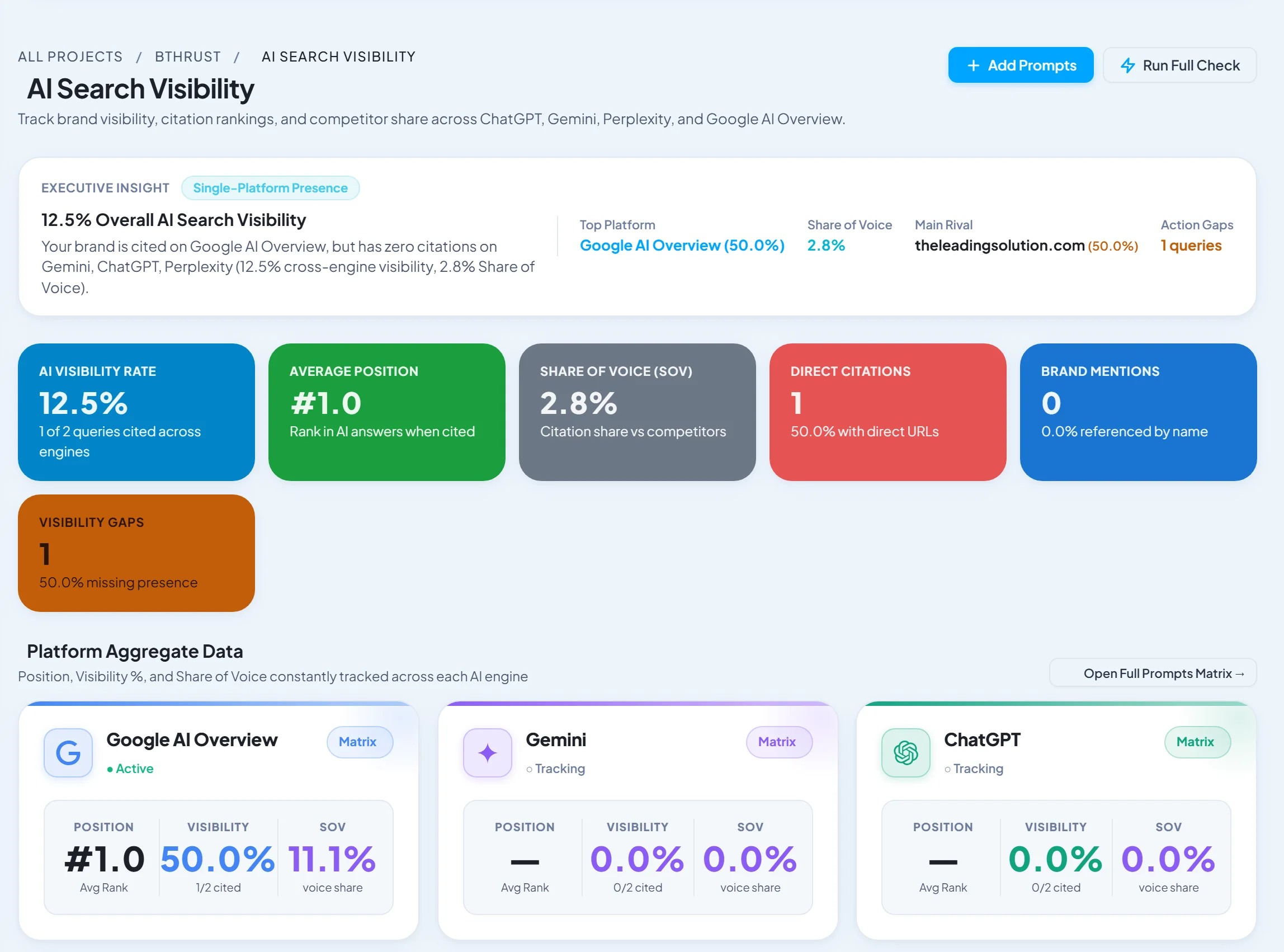


Incredible breakdown. We implemented this exact workflow last week and already saw a noticeable shift in our telemetry. As a VP Marketing, CloudScale, this provides exactly the architectural depth we look for.