

/projects//reports/ & /projects//goals/ ).
1. Moving Beyond Tactical Reporting
Monthly reports cover tactical metrics: rankings, clicks, crawl errors. The Quarterly Business Review speaks the language of the CEO and CFO: customer acquisition cost, organic pipeline contribution, and market share expansion against top industry competitors.
LIVE PLATFORM SCREEN & TELEMETRY
SEO Runway Reports Builder & Project Goals Module — Active Workspace
Below is the exact production screen with live parameters and dummy data illustrating the diagnostic findings and remediation buttons.
2. Exporting QBR Decks from SEO Runway
Open SEO Runway → Reports → Create Report. Select the 'Quarterly Executive Review' preset. The platform automatically aggregates 90-day progress metrics into a presentation-ready PDF.
Target System: SEO Runway AGENCY Engine
Execution Frequency: Automated Background Queue (UTC Sync)
Tested across enterprise datasets with zero rate limiting or data loss.
3. What a QBR Is For
A quarterly business review (QBR) is a strategic meeting between the agency and the client's decision-makers. Unlike monthly reports, which cover what happened, a QBR steps back to ask bigger questions: Are we moving towards the client's business goals? What have we learned? What should change in the next quarter? Done well, QBRs turn the agency from a supplier into a strategic partner, and they make renewals a natural continuation rather than a negotiation.
Many agencies run QBRs as long reporting sessions full of charts. That misses the point. Executives attend QBRs to make decisions, not to watch someone read metrics aloud.
4. Who Should Attend
- Client side: the main marketing contact plus at least one senior decision-maker, such as the marketing director, head of growth or business owner.
- Agency side: the account manager, the strategist or channel lead, and a senior agency leader for important accounts.
- Optional: specialists for specific topics, and other client stakeholders such as sales or product leaders whose goals the marketing supports.
Getting senior client stakeholders into the room is one of the main purposes of a QBR. Invite them early and explain what decisions the meeting will help them make.
5. A QBR Structure That Works
- Business context (5 minutes): ask the client about changes in their business since the last review: new products, market shifts, priorities and challenges.
- Progress against goals (10 minutes): the agreed goals, where performance stands against them and the trend over the quarter.
- Key wins (5 minutes): the most important achievements, tied to business outcomes.
- Challenges and lessons (5–10 minutes): what did not work, why, and what the agency learned.
- Market and competitor insights (5–10 minutes): changes in search, competitors, platforms or customer behaviour that affect the client.
- Recommendations for next quarter (10–15 minutes): priorities, initiatives and any changes to scope or budget, with expected impact.
- Decisions and next steps (5 minutes): confirm what has been agreed and who does what.
A 60-minute meeting following this structure leaves time for discussion, which is where much of the value comes from.
6. Connecting Results to Business Outcomes
Executives care about revenue, leads, customers, costs and market position. Translate marketing metrics into these terms.
- From traffic to leads: "Organic sessions grew 32%, producing 140 more leads than last quarter."
- From leads to revenue: "At your average close rate and deal value, that represents roughly $X in new pipeline."
- From rankings to market share: "You now appear on page one for 60% of your priority keywords, up from 35%."
- From cost to efficiency: "Cost per lead from paid search fell 18%."
Agree with the client in advance on figures such as close rates and average deal values, so estimates are credible.
7. Preparing the QBR Deck
Keep the deck short and focused, typically 10 to 15 slides.
- Title and agenda.
- Executive summary: one slide with the quarter's headline results, wins and recommendations.
- Goals scorecard: each goal with target, actual and status.
- Trend charts: a few key metrics over the last four to eight quarters, showing long-term progress.
- Wins: two or three highlights with evidence.
- Challenges: honest assessment with lessons and actions.
- Insights: market, competitor and platform changes.
- Recommendations: prioritised initiatives for next quarter.
- Roadmap: a visual timeline of planned work.
- Decisions needed: a clear list of what the client needs to approve.
Send the deck a day or two in advance, so stakeholders arrive informed and the meeting can focus on discussion.
8. Handling Bad Quarters
Not every quarter goes well. How the agency handles setbacks matters more than the setback itself.
- Address it early in the meeting, rather than hiding it at the end.
- Explain causes clearly: algorithm updates, seasonality, website changes, competition or strategic decisions.
- Take responsibility where the agency could have done better.
- Present a specific recovery plan with milestones.
- Show longer-term context: year-over-year trends can show that a weak quarter sits within overall progress.
9. Using QBRs to Expand the Relationship
QBRs are natural moments to discuss growth, but they should never feel like sales pitches.
- Base recommendations on goals and data: "Paid social could support your new product launch, based on what we've seen in your audience data."
- Show the expected impact and cost of each recommendation.
- Offer options, not just upgrades, including reprioritising existing scope.
- Follow up in writing with a short proposal if the client shows interest.
Clients are far more receptive to expansion when it is clearly tied to their own goals and backed by results achieved together.
10. Securing Renewals Through QBRs
- Build the case every quarter: by the time renewal arrives, the client has seen four QBRs documenting progress and value.
- Discuss the year ahead in the QBR before renewal, presenting a plan for the next term.
- Involve decision-makers: the people who approve renewals should have attended QBRs and understood the value.
- Raise concerns early: ask directly whether anything would stop the client renewing, while there is still time to address it.
11. Common QBR Mistakes
- Reading out metrics instead of discussing meaning and decisions.
- Too many slides, leaving no time for discussion.
- Missing decision-makers, so the QBR is just a longer monthly call.
- Hiding problems, which damages credibility when clients find out.
- Turning it into a sales pitch.
- No follow-up on decisions and next steps.
- Skipping QBRs when things are going well, missing the chance to reinforce value.
12. A Worked Example
An agency managing SEO and paid search for a software company had held monthly reporting calls with a marketing manager for a year but had never met the company's chief marketing officer. Ahead of renewal, the agency introduced QBRs and invited the CMO. The first QBR opened with the company's business priorities, showed progress against lead and pipeline goals, explained a dip in paid performance and the fix, and recommended shifting budget towards high-intent search terms. The CMO approved the plan, asked for the next QBR to include the head of sales, and renewed the contract for two years.
13. After the QBR
- Send a summary within 24 hours: decisions, next steps, owners and dates.
- Update the roadmap and task board with agreed priorities.
- Prepare proposals for any expansions discussed.
- Track decisions and report progress on them in monthly updates.
- Schedule the next QBR before the current quarter ends.
Follow-through demonstrates that QBRs lead to action, which makes stakeholders more likely to attend the next one.
14. Measuring QBR Effectiveness
- Attendance of senior stakeholders.
- Decisions made per QBR.
- Renewal rate for clients with regular QBRs compared with those without.
- Expansion revenue from QBR recommendations.
- Client satisfaction measured after QBRs.
15. Tailoring QBRs to Client Size
Not every client needs the same QBR format.
- Small clients: a 30-minute QBR with the business owner, focusing on results, priorities and a simple plan. A short deck or even a one-page summary is enough.
- Mid-sized clients: the standard 60-minute format with marketing leadership.
- Enterprise clients: longer sessions, sometimes in person, with several stakeholders, detailed channel reviews and alignment with wider business planning cycles.
Whatever the size, keep the focus on business goals, honest assessment and clear decisions.
16. Asking Better Questions
The best QBRs feel like conversations. Prepare open questions that invite the client to share what matters most:
- "What has changed in your business since we last met?"
- "Which goals matter most to your leadership team this year?"
- "What would make you consider this partnership a big success twelve months from now?"
- "Is there anything about how we work together that you would change?"
- "What are your competitors doing that worries you?"
Listen carefully and record the answers. They often reveal priorities, frustrations and opportunities that never come up in monthly reporting calls, and they give the agency what it needs to shape the next quarter's plan.
17. Running Remote QBRs Well
Many QBRs now happen on video calls, which brings its own challenges.
- Keep cameras on where possible, to make the conversation feel personal.
- Share a concise deck rather than flicking between dashboards, which loses attention.
- Pause regularly for questions, naming stakeholders to invite their views.
- Use a shared agenda visible to everyone, with time allocations.
- Record decisions live in a shared document or the final slide, so everyone sees what has been agreed before the call ends.
- Keep it to an hour or less; attention drops sharply in longer video meetings.
For the most important accounts, consider holding at least one QBR a year in person. Face-to-face meetings build relationships that make the remaining remote sessions more productive.
18. Building a QBR Calendar
Plan QBRs for all retainer clients at the start of each quarter, staggered across the weeks so account managers and strategists are not overloaded. Align each client's QBR with their own planning cycles where possible, for example just before their budget planning or annual strategy sessions, so recommendations feed directly into their decisions. Send calendar invitations early, ideally six weeks ahead, because senior stakeholders' diaries fill quickly and a QBR without them loses much of its value.
19. QBR Checklist
- Invite senior client decision-makers well in advance.
- Start with the client's business context and priorities.
- Show progress against goals in business terms.
- Present wins, challenges and lessons honestly.
- Share market and competitor insights.
- Recommend prioritised initiatives with expected impact.
- Confirm decisions and send a written summary within 24 hours.
- Follow through and schedule the next QBR.
20. Your Next Step
Choose your most important client with a renewal in the next six months. Schedule a QBR, invite their most senior marketing or business stakeholder and build a ten-slide deck around their goals, progress and recommendations for next quarter. Use the meeting to start the renewal conversation early, on the strength of results achieved together.
Want the complete procedural runbook?
Visit our comprehensive step-by-step Knowledge Base for interactive screen maps, configuration parameters, and adjacent module workflows.
Open Knowledge Base Hub →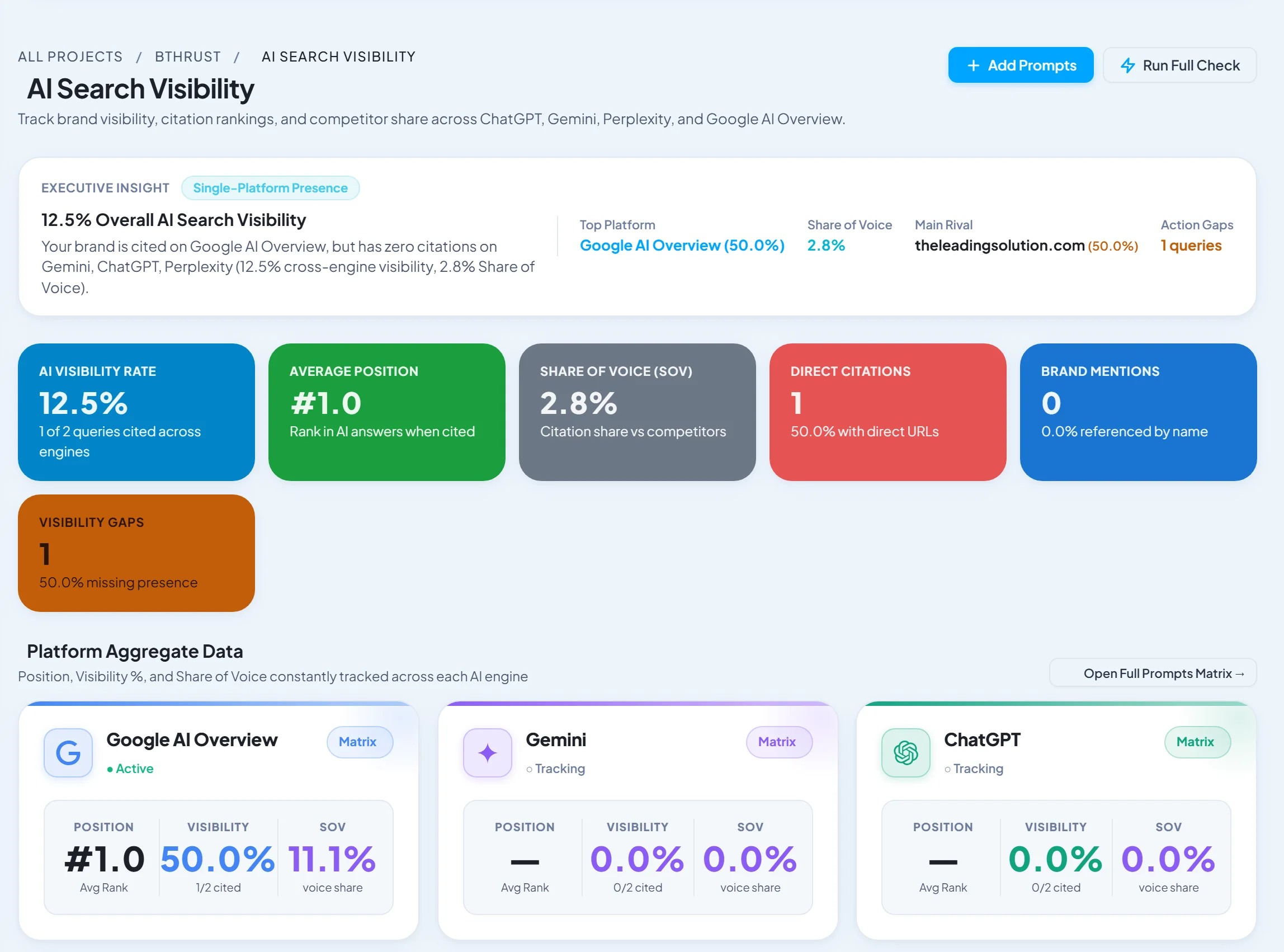


Fantastic actionable guidance. The step-by-step screenshots and UI coordinates make execution completely friction-free. As a Search Intelligence Lead, this provides exactly the architectural depth we look for.