Short answer: Semrush and Ahrefs are the best keyword research tools for depth, with the largest databases, competitor gap analysis and reliable difficulty scores. SEO Runway is the best fit if you want volume, difficulty and intent and then to send keywords straight to your rank tracker and content briefs. Google Keyword Planner is the free starting point.
Disclosure: SEO Runway is our product. We ranked it using the same criteria as every other tool, and noted where others do better.
Quick picks
- Deepest data: Semrush
- Best for competitor and content gaps: Ahrefs
- Best research-to-tracking workflow: SEO Runway
- Best free: Google Keyword Planner
- Easiest: KWFinder
Keyword research tools compared
| Tool | Database / countries | Difficulty | Intent | SERP preview | Local data | From |
|---|---|---|---|---|---|---|
| Semrush | Very large, 140+ countries* | Yes | Yes | Yes | Yes | ~$139* |
| Ahrefs | Very large, many countries* | Yes | Yes | Yes | Partial | ~$129* |
| SEO Runway | [verify] | Yes | Yes | Check | Check | $49 |
| Google Keyword Planner | Google Ads data | Ad competition only | No | No | Yes | Free |
| Moz Keyword Explorer | Large | Yes | Yes | Yes | Partial | ~$49* |
| KWFinder | Large | Yes | Partial | Yes | Yes (local) | ~$29* |
| SE Ranking | Large | Yes | Yes | Yes | Yes | ~$65* |
| Ubersuggest | Medium | Yes | Partial | Yes | Partial | ~$29* |
| Keywords Everywhere | Browser overlay | Partial | No | In Google | Partial | Credits* |
| AnswerThePublic | Questions | No | Question-led | No | Partial | Free / paid* |
*Approximate; verify.
How we chose these tools
We compared each tool's published features, plans and documentation on seven criteria: database size and countries, volume data, difficulty metric, intent labels, SERP view, local and regional data, and workflow (export, or sending keywords to tracking and content).
1. Semrush: deepest data
Verdict: the largest keyword database with intent, difficulty, SERP features and the Keyword Magic Tool.
Pros: depth; gap analysis; intent.
Cons: price; per-user plans.
2. Ahrefs: best for competitor and content gaps
Verdict: excellent Keywords Explorer and Content Gap, with clear difficulty scores.
Pros: clickstream-informed data; parent topics.
Cons: usage limits.
3. SEO Runway: best research-to-tracking workflow
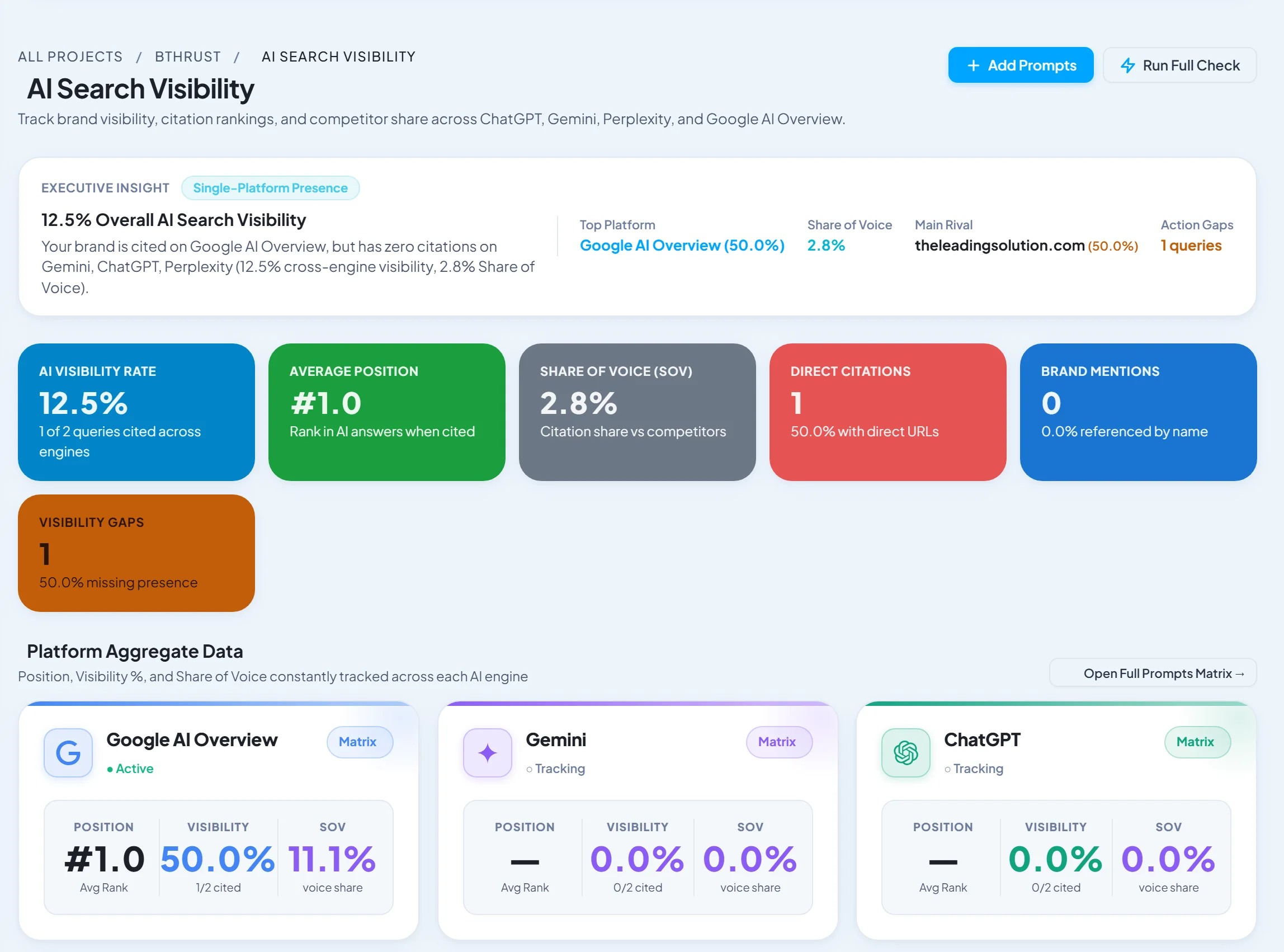
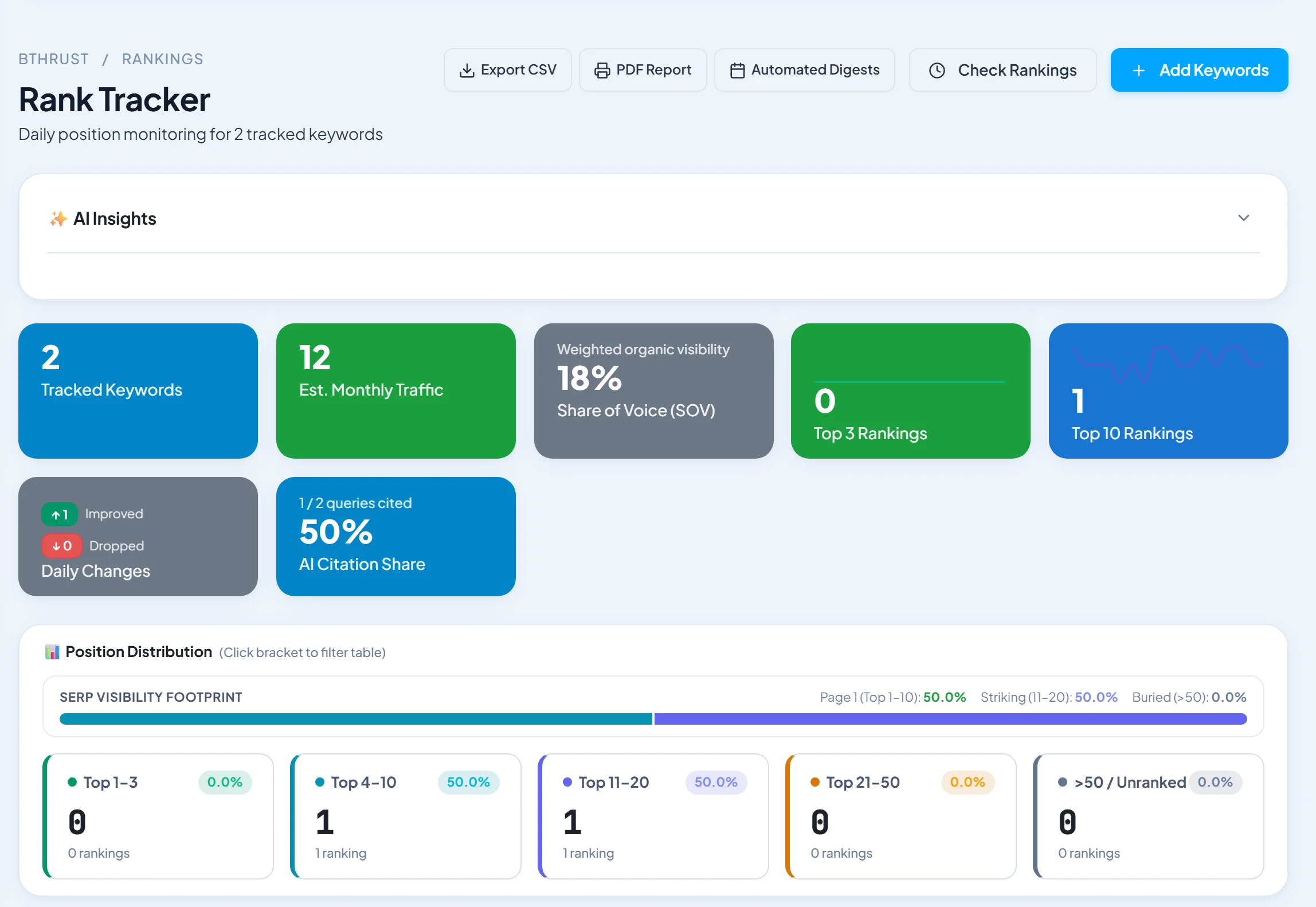
Verdict: volume, difficulty and intent, then one click sends keywords to the rank tracker or a Content Studio brief in the same project.
Pricing: included in Core SEO from $49/month; 14-day free trial. See plans.
Pros: no copy-paste between tools; rank and content in one place.
Cons: no competitor keyword gap tool as deep as Semrush or Ahrefs.
4. Google Keyword Planner: best free
Verdict: free data straight from Google Ads.
Pros: free; Google data.
Cons: volume ranges without active ad spend; no SEO difficulty.
5. Moz Keyword Explorer: best for prioritisation
Verdict: a priority score that blends volume, difficulty and opportunity.
Pros: prioritisation.
Cons: smaller database.
6. KWFinder: easiest
Verdict: clean, friendly keyword research with local targeting.
Pros: ease; local.
Cons: lookup limits.
7. SE Ranking: best value
Verdict: solid research inside an affordable suite.
Pros: value.
Cons: smaller database.
8. Ubersuggest: budget option
Verdict: simple keyword ideas cheaply.
Pros: price.
Cons: data depth.
9. Keywords Everywhere: best browser extension
Verdict: volume and related keywords overlaid on Google.
Pros: convenience.
Cons: credits.
10. AnswerThePublic: best for questions
Verdict: visualises the questions people ask.
Pros: content ideas.
Cons: limited metrics.
How accurate is search volume?
Every tool estimates volume from models, clickstream panels or Google Ads data, so numbers differ between tools and from reality. To check, compare a tool's volume with your Search Console impressions for keywords where you rank in the top three for a full month. Pick the tool whose estimates track your data best, and use volume to compare keywords rather than predict traffic. [Optional: add your own accuracy test here.]
Keyword difficulty explained
Difficulty scores estimate how hard it is to reach page one, usually from the authority and links of the current top results. Scores aren't comparable between tools: a 40 in one can be a 60 in another. Use one tool's scale, check the actual SERP, and favour keywords where the results include sites similar to yours in size.
Finding local keywords
- List your services and the cities or neighbourhoods you serve.
- Combine them ("emergency plumber Leeds") and check volume in a tool with local data.
- Look at "near me" and implicit local searches ("plumber") in the SERP for your city.
- Check Search Console for local queries you already get impressions for.
Search intent types, with examples
- Informational: "how to fix a leaking tap"
- Commercial: "best rank tracking tools"
- Transactional: "buy standing desk", "plumber near me"
- Navigational: "SEO Runway login"
Match the page type to the intent: guides for informational, comparisons for commercial, and service or product pages for transactional.
More keyword guides
- Keyword research tools for agencies
- Free keyword research tools
- Rank tracking tools to track what you find
- Content optimization tools to write for it
Frequently asked questions
Which keyword tool is most accurate?
No tool is exact. Semrush and Ahrefs are widely regarded as the most reliable, and Google Keyword Planner reflects Google Ads data. Test tools against your own Search Console impressions.
Is Google Keyword Planner enough?
For basic ideas, yes. It lacks SEO difficulty, intent and SERP analysis, and it shows volume ranges unless you run ads.
What is a good keyword difficulty score?
For newer sites, target the low end of a tool's scale (often under 30) and build up. Always check the actual SERP.
How do I find keywords competitors rank for?
Use a competitor or gap tool, such as Semrush Keyword Gap or Ahrefs Content Gap, to see keywords they rank for and you don't.
The bottom line
- Deepest data: Semrush.
- Competitor gaps: Ahrefs.
- Research straight into tracking and briefs: SEO Runway.
- Free: Google Keyword Planner.
- Easiest: KWFinder.
Start a 14-day free trial of SEO Runway and send your first keywords to tracking, or see the SEO workspace.